Cowboy Block: The Ultimate Bold Western Display Font
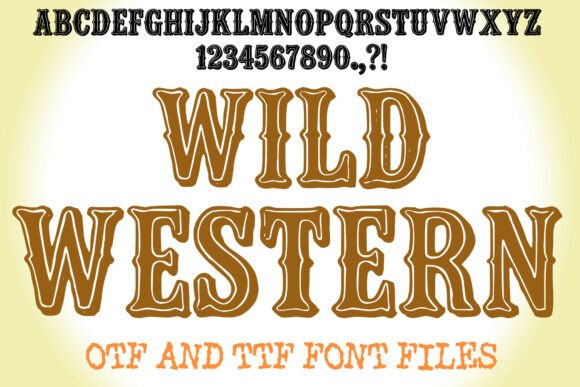
When you need a typeface that commands attention and instantly evokes the rugged spirit of the American frontier, Cowboy Block is often the top choice for designers and creators. This isn't just another western font; it is a bold display typeface engineered to stand out in crowded visual spaces. Whether you are crafting a logo for a barbecue joint or designing a poster for a country music festival, this all-caps font delivers a powerful, masculine aesthetic that feels both vintage and modern.
The appeal of Cowboy Block lies in its ability to communicate a specific mood without saying a word. It captures the essence of the Wild West through robust letterforms and distinctive decorative elements. For beginners looking to add character to their projects or professionals seeking an authentic rustic look, understanding how to leverage this font can elevate your entire design strategy.
Defining the Cowboy Block Aesthetic
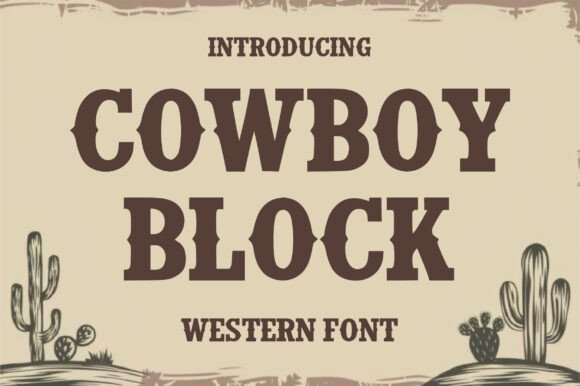
At its core, Cowboy Block is characterized by strong block serifs and a clean, vintage cowboy style. Unlike script fonts that mimic handwriting, this typeface relies on structure and weight to make an impact. The letters are thick and condensed, ensuring they remain legible even from a distance. This makes it particularly effective for headlines where visibility is paramount.
What truly sets this font apart are the distinctive decorative spurs or wedges extending from the serifs. These details are not merely ornamental; they provide a genuine saloon-style feel that anchors the design in history. The result is a typeface that looks like it was carved into wood or stenciled onto a wagon wheel. Its rugged shapes offer a classic Wild-West look that resonates with audiences who appreciate heritage, durability, and authenticity.
Why Choose a Condensed Western Style?
Designers often face the challenge of fitting impactful text into limited spaces. The strong, condensed weight of Cowboy Block solves this problem elegantly. Because the characters are tall and narrow, you can fit more words into a header without sacrificing readability or visual punch. This efficiency is crucial for signage, album covers, and apparel branding where space is at a premium.
Furthermore, the all-caps nature of the font adds to its authoritative presence. Uppercase text naturally draws the eye and suggests importance, making it ideal for titles that need to dominate the page. When combined with the thick strokes of the letterforms, the overall impression is one of strength and reliability—qualities that many brands in the outdoor and lifestyle sectors strive to embody.
Practical Applications for Your Projects
The versatility of Cowboy Block extends far beyond simple decoration. It serves as a functional tool for various creative and commercial needs. By understanding where this font shines, you can maximize its potential in your own work.
- Restaurant and Bar Signage: Custom signs for saloons, steakhouses, and barbecue restaurants benefit immensely from this typeface. The "wanted poster" vibe creates an immediate thematic connection for customers, setting the tone before they even step inside.
- Apparel Branding: For businesses selling outdoor gear, rustic clothing, or western wear, this font works perfectly on t-shirts, hats, and patches. The bold lines translate well to embroidery and screen printing, ensuring the logo remains clear and durable.
- Music and Event Promotion: Country music album art, concert posters, and festival flyers rely on typography to convey genre. Cowboy Block instantly signals the musical style to potential listeners, acting as a visual shorthand for the sound within.
- Rustic Logos and Badges: Small business owners looking for a standout logo can use this font to create badges and labels that feel established and trustworthy. It pairs exceptionally well with icons like horseshoes, boots, or mountains.
- Retro-Themed Projects: From personal blogs about history to marketing campaigns for vintage products, this font helps create a cohesive retro atmosphere that appeals to nostalgia.
Design Tips for Maximum Impact
While Cowboy Block is visually striking, using it effectively requires a bit of strategic planning. Like any bold display font, it should be used sparingly to maintain its impact. Overusing it can lead to visual clutter and reduce readability.
Pairing Matters: To create a balanced layout, pair this heavy western font with a simpler, cleaner sans-serif or serif font for body text. Since Cowboy Block is so detailed and thick, a plain companion font will allow the headline to shine while ensuring the rest of your content is easy to read.
Color and Contrast: The rugged shapes of this typeface look best with high-contrast color combinations. Think black and white, deep reds against cream, or burnt orange on dark brown. These palettes enhance the vintage feel and ensure the decorative spurs don't get lost in the background.
Spacing and Kerning: Because the letters are condensed, pay close attention to the spacing between them. In some cases, tightening the kerning slightly can make the word look more solid and block-like, while loosening it up can give a more relaxed, open feel. Experimentation is key to finding the right balance for your specific project.
Who Benefits Most from Cowboy Block?
This font is not limited to professional graphic designers. It is an accessible tool for a wide range of users. Entrepreneurs launching a new line of rustic goods can use it to build a brand identity quickly. Bloggers writing about western history or country culture can use it for eye-catching headers. Even hobbyists creating personalized gifts or event invitations can achieve a professional look with minimal effort.
For educators teaching design principles, Cowboy Block serves as an excellent example of how typography influences perception. It demonstrates how stroke width, serif style, and letterform shape contribute to the emotional response of the viewer. It is a practical resource for anyone learning the basics of visual communication.
Considerations Before You Start
Before integrating Cowboy Block into your workflow, consider the context of your message. While it is perfect for themes related to the outdoors, food, music, and history, it may feel out of place in corporate, tech, or minimalist designs. Authenticity is key; the font should align with the story you are telling.
Additionally, always check the licensing terms associated with the font file. Whether you are using it for a personal project or a large-scale commercial campaign, ensuring you have the right permissions protects you legally and supports the creator. Once you have verified these details, you are ready to harness the power of this essential typeface to capture the spirit of the frontier in your own unique way.