Danilla: A Modern Signature Script for Elegant Design
In the crowded landscape of digital communication, the choice of typography often dictates the first impression a brand or message makes. While sans-serif fonts offer clarity and serif fonts provide tradition, there is a distinct need for typefaces that convey personality and human touch. This is where Danilla enters the conversation. As a modern signature script font, Danilla is designed to bridge the gap between professional sophistication and artistic flair. It does not merely display text; it interprets the emotion behind the words, offering designers a tool to elevate their projects with flowing curves and stylish flourishes.
For professionals ranging from freelance graphic designers to small business owners, selecting the right script font can be a pivotal decision. The wrong choice can render a design illegible or overly decorative, but the right one enhances readability while adding a layer of luxury. Danilla addresses this challenge by balancing legibility with an aesthetic that feels handcrafted yet polished. Whether you are crafting a wedding invitation, designing a logo for a boutique, or creating social media graphics, understanding how to leverage Danilla can transform standard layouts into memorable visual experiences.
The Artistry of Modern Signature Scripts
To appreciate the value of Danilla, one must first understand the role of signature scripts in contemporary design. Unlike traditional calligraphy, which often mimics specific historical writing styles, modern signature scripts like Danilla are engineered for versatility across various media. They retain the organic feel of a pen on paper but are optimized for screen rendering and print scalability.
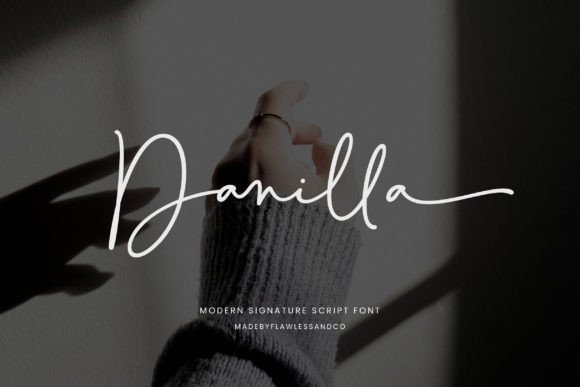
Danilla distinguishes itself through its dynamic stroke weight and consistent rhythm. The flowing curves are not random; they are calculated to guide the eye smoothly from letter to letter. This creates a sense of movement that static block letters cannot achieve. When a viewer encounters a headline set in Danilla, the brain processes the text as more than just information; it perceives a mood. This psychological impact is crucial for industries where trust, elegance, and personal connection are paramount.
Consider the difference between a generic "Thank You" note and one written in a font that looks like a genuine signature. The latter implies a personal relationship, even if the message is mass-produced. Danilla facilitates this illusion of intimacy without sacrificing the efficiency required in modern workflows. It allows creators to inject a human element into digital assets, making cold interfaces feel warm and approachable.
Practical Applications for Branding and Identity
One of the most significant use cases for Danilla lies in branding and identity design. For entrepreneurs launching a new venture, the logo is often the face of the company. A script font can signal creativity, luxury, or a bespoke service level. However, using a script font in a logo requires careful consideration of scale and context.
Danilla excels in scenarios where the brand name is short to medium in length. Its stylish flourishes add a unique identifier that helps a brand stand out in a saturated market. For instance, a high-end jewelry brand or a boutique consultancy firm might pair Danilla with a clean, geometric sans-serif. This combination creates a visual hierarchy where the script draws attention to the brand name, while the sans-serif provides stability for taglines or contact information.
Beyond logos, Danilla supports cohesive brand collateral. From business cards to letterheads, the font maintains its character at smaller sizes, ensuring that the brand voice remains consistent. This consistency is vital for building recognition over time. By integrating Danilla into key touchpoints, businesses can communicate a unified message of quality and attention to detail.
Strategic Pairing for Maximum Impact
A common pitfall when using script fonts is pairing them with other complex typefaces. To maximize the effectiveness of Danilla, it should generally be paired with simple, neutral fonts. This contrast ensures that the script remains the focal point without competing for attention. A minimalist sans-serif or a classic slab serif often works best, allowing the flourishes of Danilla to shine without causing visual clutter.
When designing a brand identity, it is also important to consider the color palette. Darker, richer colors tend to complement the elegant nature of Danilla, enhancing the perception of sophistication. However, lighter shades can work well for designs aiming for a softer, more ethereal look. The key is to ensure sufficient contrast between the text and the background to maintain legibility, especially given the intricate details of the script.
Enhancing Invitations and Personal Events
The invitation industry has long relied on script fonts to convey formality and celebration. Danilla offers a fresh take on this tradition, providing a modern alternative to the ornate, Victorian-style scripts that have dominated the market for decades. Its contemporary feel makes it suitable for a wide range of events, from chic weddings and galas to intimate baby showers and corporate retreats.
Designers working on invitations benefit from Danilla's ability to handle both uppercase and lowercase characters gracefully. The transition between different letter heights adds a natural rhythm to the text, mimicking the flow of handwriting. This is particularly effective for names and dates, which are often the most critical elements of an invitation. Using Danilla for these details can make the event feel more exclusive and personally curated.
Furthermore, the font's versatility extends to digital invitations. In an era where many invites are sent via email or messaging apps, Danilla renders clearly on mobile screens. This ensures that the intended elegance is preserved regardless of the device used to view the invitation. For event planners and stationery designers, this adaptability saves time and reduces the need for multiple design variations.
Optimizing Social Media Graphics and Content
Social media platforms demand content that stops the scroll. In feeds filled with images and videos, typography plays a critical role in capturing attention. Danilla is particularly effective for overlay text on images, headlines in carousel posts, and quotes shared on platforms like Instagram and Pinterest. Its distinctive style helps brands break through the noise and establish a recognizable visual identity.
Content creators and marketers can use Danilla to highlight key messages or calls to action. For example, a lifestyle blogger might use the font for the title of a blog post featured in an image, drawing the reader's eye immediately. Similarly, a fashion influencer could use it to caption a photo, adding a touch of personal flair that aligns with their brand aesthetic.
However, it is essential to use Danilla judiciously in social media contexts. Because script fonts can be harder to read quickly, they should be reserved for short phrases rather than long paragraphs. Overusing the font can lead to visual fatigue and reduce engagement. By limiting its use to impactful moments, creators can maintain the font's special status and ensure it continues to deliver results.
Who Benefits Most from Danilla?
While Danilla is versatile enough for many applications, certain groups will find it particularly valuable. Freelance designers and creative agencies often seek unique typefaces to differentiate their portfolios. Danilla provides a ready-made solution for clients looking for a custom look without the cost of commissioning a bespoke font.
Small business owners, especially those in the beauty, wellness, and lifestyle sectors, can leverage Danilla to communicate their brand values effectively. The font's elegance aligns well with products and services that prioritize quality and experience. Additionally, educators and publishers may find Danilla useful for accentuating titles or headings in educational materials, adding a layer of engagement that standard fonts lack.
Hobbyists and DIY enthusiasts also benefit from the accessibility of modern script fonts. With tools like Canva or Adobe Express, individuals can incorporate Danilla into their personal projects, such as scrapbooks, greeting cards, or home decor signs. This democratization of design allows anyone to create professional-looking materials with minimal effort.
Considerations and Limitations
Despite its many strengths, Danilla is not a universal solution. Like any script font, it has limitations that users must acknowledge. Legibility is the primary concern; in situations requiring rapid reading or conveying complex information, a sans-serif or serif font is often more appropriate. Danilla should be avoided for body text, legal disclaimers, or technical specifications where clarity is non-negotiable.
Additionally, the cultural context of the project matters. While Danilla exudes elegance in Western design traditions, it may not resonate equally in all global markets. Designers working on international campaigns should test the font with diverse audiences to ensure it conveys the intended message.
Finally, file size and licensing are practical considerations. High-quality script fonts can sometimes result in larger file sizes, which may impact website loading speeds. Users should also verify the licensing terms to ensure compliance with their intended use, whether for commercial projects or personal endeavors.
Conclusion: Elevating Design Through Thoughtful Typography
Incorporating Danilla into your design toolkit offers a powerful way to enhance the emotional resonance of your work. By combining modern aesthetics with the timeless appeal of handwritten script, it provides a unique advantage for those seeking to make a lasting impression. Whether you are refining a brand identity, planning a special event, or creating engaging social content, the thoughtful application of this font can yield meaningful outcomes.
The true value of Danilla lies not just in its visual appeal, but in its ability to support clear communication and creative expression. When used with intention and paired strategically, it becomes more than just a typeface; it becomes a vital component of a successful design strategy. As you explore your next project, consider how a touch of sophisticated flair might elevate your message and connect more deeply with your audience.