Evaluating the Earth Day Font for Design and Personal Use
In the realm of digital typography, display fonts often serve as the visual anchor for a project, setting the tone before a single word is read. The Earth Day Font emerges as a specific option within this category, characterized by its natural display style. It is designed to evoke organic textures and hand-drawn aesthetics, making it a frequent choice for projects centered around nature, sustainability, and personal expression. However, selecting a typeface requires more than just an initial aesthetic appeal; it demands an understanding of versatility, readability, and contextual appropriateness. This evaluation explores the characteristics of the Earth Day Font, analyzing where it excels and where designers might consider alternatives.
Understanding the Aesthetic and Function
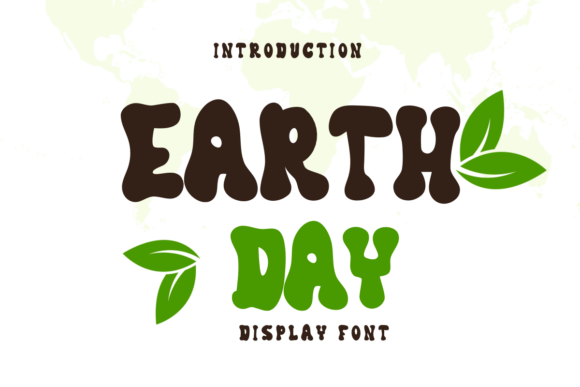
The Earth Day Font is primarily classified as a natural display font. Unlike standard sans-serif or serif typefaces designed for long-form body text, display fonts are intended for headlines, short phrases, and decorative elements. The defining characteristic of this particular typeface is its "natural" quality. Visually, it often mimics the irregularities found in handwriting or organic materials, such as wood grain, stone, or foliage. This texture gives the text a tactile feel, suggesting warmth and approachability.
Because of these stylistic choices, the font is frequently associated with themes of environmentalism, springtime, and earth-conscious living. When users encounter the Earth Day Font, they often expect content related to nature conservation, gardening, or eco-friendly initiatives. However, the utility of the font extends beyond its thematic name. Its structural design allows it to function effectively in various creative contexts, provided the message aligns with its organic vibe.
Primary Use Cases and Strengths
For individuals looking to infuse personality into their written work, the Earth Day Font offers several strong applications. Its most immediate strength lies in personal documentation. Using this typeface for taking notes or writing a diary can transform a mundane task into a creative exercise. The natural curves and unique letterforms can make personal journals feel more intimate and less rigid than standard typewriter-style fonts.
Beyond personal use, the font is highly effective for crafting greeting cards. Whether the occasion is a birthday, an anniversary, or an environmental awareness event, the friendly and organic nature of the typeface conveys sincerity. It bridges the gap between formal printing and casual handwriting, offering a polished yet warm appearance.
Furthermore, the Earth Day Font demonstrates significant versatility in broader design applications. It is well-suited for:
- Social Media Posts: In crowded feeds, a distinctive display font helps capture attention. The Earth Day Font stands out against plain backgrounds, making it ideal for Instagram stories, Pinterest pins, or Facebook headers.
- Merchandise Design: When applied to mugs, t-shirts, or tote bags, the font adds a layer of artisanal quality. It suggests that the product is handmade or ethically sourced, which aligns well with the current market demand for sustainable goods.
- Stationery and Banners: For physical events or printed invitations, the font provides a cohesive look that feels grounded and welcoming. It works particularly well on textured paper, enhancing the "natural" theme.
Tradeoffs and Considerations
While the Earth Day Font offers distinct advantages, potential users must weigh certain tradeoffs. The primary limitation of any display font, including this one, is legibility at small sizes. Because the characters often feature intricate details, variable stroke widths, or organic imperfections, reducing the font size for body text can result in visual clutter. Consequently, it is not recommended for paragraphs of dense information, legal documents, or instructional manuals where clarity is paramount.
Another consideration is the thematic constraint. While the font is versatile, its "natural" aesthetic may clash with designs requiring a sleek, modern, or industrial look. If a brand identity relies on sharp lines, minimalism, or high-tech precision, the Earth Day Font might introduce a tonal dissonance. It is essential to evaluate whether the font's inherent personality supports the overall message or distracts from it.
Additionally, licensing and technical compatibility should be reviewed. As with many specialized fonts, ensuring that the file format is compatible with the software being used (such as Adobe Illustrator, Canva, or Microsoft Word) is crucial. Users should also verify the license terms, especially if the font is intended for commercial products like shirts or mugs, to avoid intellectual property issues.
When to Choose Alternatives
Determining when to pivot away from the Earth Day Font is just as important as knowing when to use it. Alternatives may be worth considering in situations demanding high readability over long distances or for extended reading sessions. For instance, if designing a brochure with substantial informational content, pairing the Earth Day Font with a clean, neutral sans-serif for the body text is advisable. Relying solely on the display font for all text would likely fatigue the reader.
Furthermore, if the project requires a sense of urgency, authority, or corporate formality, the playful and organic nature of the Earth Day Font may undermine the intended message. In such cases, a bold geometric sans-serif or a traditional serif typeface might convey the necessary weight and professionalism. Similarly, for digital interfaces where screen resolution varies, simpler fonts often render more consistently across different devices than complex display fonts.
Practical Decision-Making Insights
To determine if the Earth Day Font aligns with your specific goals, consider the following practical steps. First, visualize the final output. Will the text be viewed up close on a greeting card, or from a distance on a banner? If the viewing distance is significant, ensure the font remains legible at large scales. Second, test the font in context. Create a mock-up of the project—whether it is a social media graphic or a mug design—and observe how the text interacts with other visual elements. Does it complement the imagery, or does it compete for attention?
Finally, assess the emotional response you wish to evoke. If the goal is to foster a connection with nature, encourage creativity, or express personal sentiment, the Earth Day Font is a strong candidate. Its ability to soften the digital experience makes it a valuable tool for humanizing communication. However, if the priority is strict information delivery or brand consistency with a minimalist aesthetic, exploring other typeface categories may yield better results.
In conclusion, the Earth Day Font is a specialized tool that excels in creating warm, organic, and visually engaging designs. It is particularly effective for personal projects, greeting cards, and merchandise that benefit from a handcrafted feel. By understanding its strengths in display applications and acknowledging its limitations regarding legibility and thematic fit, designers can make informed decisions about its inclusion in their workflow. Used strategically, it adds character and depth to visual communication, but it requires careful pairing and context to ensure it serves the project's ultimate purpose.