Retro Pizza Regular Font: A Bold Return to Nostalgic Design
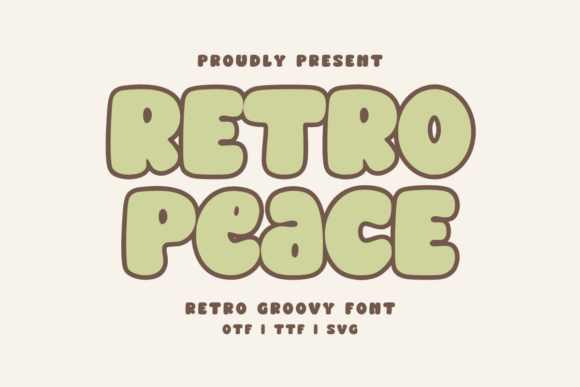
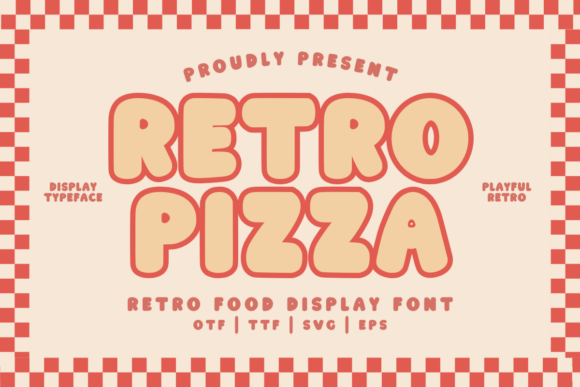
In a digital landscape often dominated by sleek, minimalist sans-serifs and rigid geometric forms, there is a growing hunger for warmth, texture, and personality. This shift has propelled typefaces like Retro Pizza Regular Font into the spotlight, offering designers a tool that speaks directly to the emotional core of an audience. It is not merely a collection of letters; it is a visual shorthand for comfort, community, and the golden age of American diners. With its bold, rounded display characteristics, this typeface captures a distinctly retro and playful spirit that resonates deeply with modern consumers seeking authenticity in their brands.
The resurgence of vintage aesthetics is more than a fleeting trend; it reflects a broader cultural desire to reconnect with tangible history in an increasingly abstract world. Retro Pizza font serves as a bridge between past and present, utilizing thick, soft-edged letterforms to evoke the charm of 1970s diner culture and vintage food packaging. Its exaggerated weight and inflated shapes do more than fill space; they create an immediate sense of friendliness and approachability, making it an ideal choice for businesses looking to humanize their digital presence or refresh their physical signage.
The Psychology of Rounded Typography in Modern Branding
Typography plays a critical role in how a brand is perceived before a single word is read. Sharp angles often convey precision, authority, or aggression, while curves suggest softness, safety, and playfulness. Retro Pizza Regular Font leans heavily into the latter, leveraging its generous counters and inflated letter shapes to trigger positive psychological responses. For entrepreneurs and marketers targeting adults aged 20 to 50, this demographic often associates these visual cues with nostalgia for a simpler time, whether that be childhood memories of family meals or the aesthetic of classic Americana.
When applied to branding, this font transforms a standard logo into an invitation. Imagine a coffee shop, a craft brewery, or a boutique bakery using this typeface on their storefront. The visual weight of the letters suggests substance and quality, while the rounded edges imply that the experience inside will be welcoming rather than intimidating. In a market saturated with corporate sterility, the ability to project warmth through design is a significant competitive advantage. The font's distinct character allows brands to stand out without relying on complex imagery, proving that strong typography can carry the entire narrative of a business identity.
Evolving from Diner Signs to Digital Interfaces
The journey of Retro Pizza font from a concept rooted in mid-century commercial signage to a staple in modern digital workflows highlights the adaptability of retro styles. Originally designed to catch the eye of passersby on neon-lit streets, its geometric proportions have proven surprisingly effective on screens. Despite its decorative intent, the consistent spacing and clear structure ensure legibility across various devices, from large desktop monitors to compact smartphones.
This evolution is driven by changing user expectations. Today's digital users are fatigued by the "flat design" era's uniformity. They crave interfaces that feel curated and unique. By integrating a typeface with such a strong personality, web designers and app developers can inject character into user experiences that might otherwise feel generic. Whether used for a headline on a landing page, a call-to-action button, or a section header in a blog post, the font maintains its impact without sacrificing readability. The key lies in understanding that while it is a display typeface, its structural integrity supports versatile applications when used correctly.
Practical Applications for Creators and Businesses
For professionals ranging from freelance graphic designers to in-house marketing teams, the versatility of Retro Pizza Regular Font offers a range of practical solutions. Its availability in multiple formats—OTF, TTF, SVG, and EPS—ensures compatibility with virtually every design software in use today. This technical flexibility means creators can seamlessly move between print and digital media without worrying about formatting issues or loss of fidelity.
- Print Media: The font shines on physical products. Think of menu boards at a new pizzeria, labels for artisanal hot sauces, or posters for a local music festival. The thick strokes hold up well even when scaled down for smaller items like coasters or stickers, maintaining the "inflated" look that defines its style.
- Digital Marketing: In social media graphics and email headers, the font acts as a powerful attention-grabber. Its bold nature cuts through the noise of crowded feeds, ensuring that promotional messages are seen and remembered.
- Signage and Wayfinding: For brick-and-mortar businesses, the font's high contrast and clear geometry make it excellent for outdoor signs. It retains its retro diner aesthetic while ensuring that the business name is easily readable from a distance.
One of the most effective ways to utilize this typeface is in combination with complementary elements. Pairing Retro Pizza font with a clean, neutral sans-serif for body text creates a balanced hierarchy. The bold, playful headlines draw the eye, while the understated supporting text ensures the message remains clear. This approach prevents the design from becoming overwhelming, allowing the unique character of the font to shine without compromising the overall communication goals.
Why Nostalgia Drives Market Preferences
The popularity of Retro Pizza Regular Font cannot be understood without examining the broader context of consumer behavior. We are currently witnessing a "retro-future" movement where the past is reimagined through modern technology. This is particularly evident in the lifestyle sectors of food, beverage, and entertainment. Consumers are increasingly drawn to brands that tell a story, and nothing tells a story quite like a visual style that evokes a specific era.
For the 20–50 age bracket, the 1970s aesthetic represents a period of vibrant color, creativity, and optimism. By adopting a font that mirrors this era, businesses tap into a collective memory of warmth and community. This is not just about copying old designs; it is about adapting them to fit contemporary values. The "vintage food packaging" look, for instance, implies natural ingredients and traditional methods, which aligns perfectly with the current demand for organic and locally sourced products. When a brand uses Retro Pizza font, it subtly signals that it values heritage and quality over mass production.
Furthermore, the shift towards personalized and authentic experiences has made generic, corporate fonts less effective. Brands that want to build a loyal following need to show personality. A bold, rounded display typeface does exactly that. It feels handmade, human, and unpretentious. In an age of artificial intelligence and automation, the imperfections and stylistic choices inherent in a retro font provide a necessary touch of humanity.
Integrating Retro Styles into Modern Workflows
Adopting a style-driven font like Retro Pizza Regular Font requires a thoughtful approach to workflow integration. While the file formats (OTF, TTF, SVG, EPS) offer broad compatibility, designers must consider how the font interacts with other assets. The inflated letter shapes mean that kerning and leading require careful adjustment to avoid crowding, especially in longer headlines. However, once mastered, the font becomes a reliable asset in a designer's toolkit.
For bloggers and content creators, using this font in custom thumbnails or featured images can significantly increase click-through rates. The visual distinction helps content stand out in search results and social feeds. Similarly, for small business owners creating their own marketing materials, the font provides a professional look that mimics high-end branding agencies. It democratizes access to sophisticated design trends, allowing independent creators to compete visually with larger corporations.
As we look toward the future of design, the line between vintage and modern continues to blur. The enduring appeal of Retro Pizza font suggests that this blend will only deepen. As technology advances, the human need for connection and nostalgia remains constant. Typefaces that can embody these emotions while functioning effectively in a digital ecosystem will continue to be in high demand. Whether you are launching a startup, rebranding an existing business, or simply designing a personal project, incorporating a font with such rich character can transform your work from good to memorable.
Ultimately, the value of Retro Pizza Regular Font lies in its ability to communicate more than just words. It conveys a mood, a setting, and a feeling. In a world that moves fast, taking a moment to appreciate the warmth of a rounded letterform is a reminder of the simple pleasures that still matter. For designers and business leaders willing to embrace this aesthetic, the opportunities to connect with audiences on a deeper level are vast and rewarding.