Thorncroft Hex Font: A Guide to Supernatural Horror Typography
In the world of visual storytelling, few elements convey atmosphere as instantly as typography. When a designer needs to evoke dread, mystery, or ancient ritual without saying a word, the choice of typeface becomes the primary vehicle for that emotion. Thorncroft Hex Font stands out in this crowded niche not just as another spooky typeface, but as a meticulously crafted tool for those who understand the nuances of horror design. It bridges the gap between legibility and visceral impact, offering a grunge serif style that feels less like digital text and more like a curse carved into stone.
The Anatomy of a Cursed Typeface
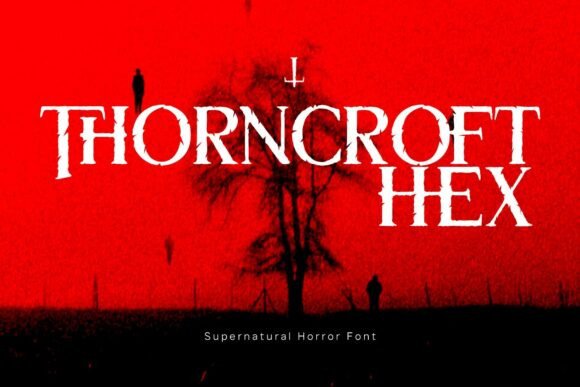
To truly appreciate why Thorncroft Hex works so well, one must look past the initial shock value and examine its construction. At its core, this is a grunge serif font, but it diverges significantly from standard distressed styles found in generic libraries. The sharp edges and creepy textured details are not merely overlays; they are integral to the character shapes themselves. Each letterform appears to have been weathered by time or hewn by a desperate hand during a midnight rite.
The design philosophy behind Thorncroft Hex leans heavily into the concept of "ritual carving." This gives the font a weighty, tactile presence. Unlike smooth vector fonts that can feel sterile on screen, Thorncroft Hex introduces a sense of history and decay. The texture suggests that the letters have been scratched into wood, etched into bone, or burned into parchment. This level of detail creates an immediate psychological response in the viewer, triggering associations with the occult, the forbidden, and the supernatural before they even read the content.
Flexibility Through Alternates and Ligatures
A common pitfall in horror typography is sacrificing usability for aesthetics. Many "scary" fonts lack lowercase letters or offer limited character sets, forcing designers to use all-caps which can quickly become exhausting to read. Thorncroft Hex avoids this trap by including a full range of uppercase and lowercase letters. This completeness allows for body copy usage in specific contexts, such as back-cover blurbs or atmospheric website headers, where readability remains important despite the dark theme.
Furthermore, the inclusion of ligatures and alternate glyphs elevates Thorncroft Hex from a simple display font to a flexible design asset. Ligatures allow characters to flow together seamlessly, mimicking the fluidity of handwritten incantations. Alternate glyphs provide the creative freedom to customize words, ensuring that no two titles look exactly alike. For instance, a designer might swap a standard 'A' for a version with a more aggressive crossbar or a 'G' that resembles a spiral symbol. This variability is crucial for maintaining visual interest in complex layouts like movie posters or album covers.
Real-World Applications for Creators and Professionals
The utility of Thorncroft Hex extends far beyond hobbyist projects. Professionals across various industries find value in its ability to communicate specific moods efficiently. Whether you are a freelance graphic designer, a marketing manager for a gaming studio, or an indie author, understanding how to deploy this font correctly can significantly enhance your project's impact.
Entertainment and Media Design
For the film and television industry, title sequences and poster art rely heavily on typographic hierarchy. Thorncroft Hex is particularly effective for supernatural thrillers, gothic horror films, and dark fantasy series. Its sharp edges cut through busy background imagery, ensuring the title remains the focal point. Imagine a movie poster featuring a foggy graveyard; placing the film's title in Thorncroft Hex immediately tells the audience what genre they are about to experience. The font's "curse symbol" aesthetic aligns perfectly with narratives involving ancient evils, voodoo rituals, or eldritch horrors.
Similarly, in the music industry, metal and black metal bands often require cover art that screams aggression and mysticism. Thorncroft Hex fits naturally into this ecosystem. Its textured details mimic the grit of vinyl records and the raw energy of live performances. Bands can use the alternate glyphs to create unique logos that stand out in streaming playlists and merchandise catalogs.
Branding and Commercial Use
Beyond entertainment, there is a growing market for dark-themed branding. Escape room businesses, haunted house attractions, and specialty Halloween retailers need visual identities that promise a terrifying experience. Using Thorncroft Hex in logos or signage helps establish brand recognition within this specific niche. It signals to the customer that the business takes its craft seriously and offers an authentic, high-quality scare.
Even in publishing, independent authors of dark fantasy and horror novels benefit from using Thorncroft Hex for book covers. In a sea of generic sans-serif titles, a cover utilizing this font's ritualistic feel can stop a potential reader in their tracks. It serves as a visual promise of the story's tone, acting as a powerful filter to attract the right audience while repelling those looking for lighthearted fiction.
Strategic Implementation and Best Practices
While Thorncroft Hex is a powerful tool, like any specialized instrument, it requires careful handling to be effective. Overuse can lead to visual fatigue, and poor implementation can render text unreadable. Here are practical considerations for integrating this font into your workflow.
- Context is King: Reserve Thorncroft Hex for headlines, titles, and short phrases. While it includes lowercase letters, the heavy texture and sharp serifs make it challenging to read in long paragraphs. Pair it with a clean, neutral sans-serif or a readable serif for body text to maintain contrast and balance.
- Background Contrast: Because of the intricate textures, Thorncroft Hex performs best against solid or subtly gradient backgrounds. Placing it over highly detailed photographs can cause the letters to get lost in the noise. Consider adding a subtle drop shadow or a dark outline to separate the text from the image.
- Leverage the Alternates: Do not settle for the default glyph set. Explore the alternate characters to create unique combinations. This customization adds a layer of exclusivity to your design, making it feel bespoke rather than templated.
- Color Psychology: While black and white are classic choices, experimenting with deep crimsons, desaturated purples, or rusty oranges can enhance the mystical feel. However, avoid neon colors unless aiming for a specific "slasher movie" trope, as they can clash with the font's organic, aged aesthetic.
Evaluating Value and Usability
When selecting a font for a professional project, efficiency and versatility are paramount. Thorncroft Hex offers a premium experience by consolidating multiple design needs into a single file. The availability of both normal and alternate formats means you do not need to hunt for complementary fonts to achieve a cohesive look. This streamlines the design process, saving valuable time for freelancers and agencies working under tight deadlines.
Moreover, the font's adaptability ensures longevity. Trends in horror design shift, but the fundamental appeal of the macabre remains constant. By choosing a font with such strong foundational characteristics—sharp edges, ritualistic shapes, and high flexibility—you are investing in an asset that will remain relevant across various campaigns and projects.
Ultimately, Thorncroft Hex Font is more than just a collection of scary letters. It is a comprehensive design solution for anyone looking to inject a gripping atmosphere into their work. Whether you are crafting the next big blockbuster poster, designing a logo for a local haunted attraction, or laying out a novel that will haunt readers' dreams, this typeface provides the necessary tools to bring your darkest visions to life. By respecting its strengths and applying it with strategic intent, creators can harness the power of supernatural typography to engage audiences on a visceral level.