Anytimes Font: A Practical Guide to Using This Versatile Typeface
In the crowded landscape of digital typography, finding a typeface that balances aesthetic charm with functional reliability is often more difficult than it appears. Many designers and content creators gravitate toward trendy scripts or overly rigid sans-serifs without considering the long-term impact on their brand identity. Anytimes Font stands out as a solution to this common dilemma. It is a beautiful and eye-catching font designed with a soft, unique touch that immediately draws the reader in. However, simply downloading a file and applying it everywhere is rarely the best strategy. To truly leverage its potential, you need to understand not just what it is, but how to use it correctly to avoid design pitfalls that can undermine your professional image.
Understanding the Unique Character of Anytimes Font
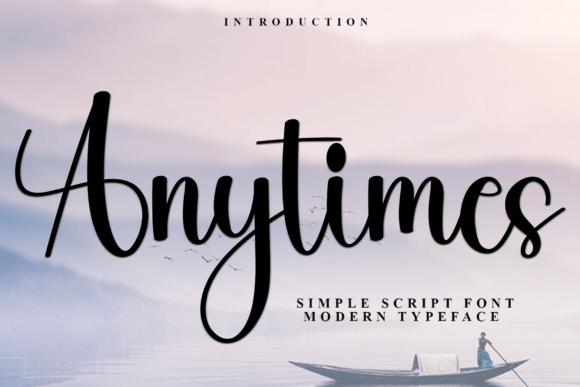
At its core, Anytimes Font is defined by its distinctive strokes. Unlike standard geometric fonts that prioritize uniformity above all else, this typeface incorporates subtle irregularities that give it a special character. These variations make the text feel meaningful and human, rather than mechanical. The design is versatile enough for future use across various mediums, from digital marketing campaigns to physical craft projects. Its natural font style mimics the flow of hand-lettering while maintaining the legibility required for modern communication.
Because it is compatible with various applications, including Windows and open-source platforms, it offers a level of accessibility that many premium proprietary fonts lack. This makes it an ideal choice for freelancers working across different operating systems or small business owners who need a consistent look without expensive licensing fees. Yet, despite these advantages, there are specific misunderstandings about its application that can lead to poor results if left unaddressed.
Common Mistakes When Choosing and Applying Anytimes Font
One of the most frequent errors I see beginners and even seasoned professionals make is treating every font as a "one-size-fits-all" solution. Because Anytimes Font is so visually appealing, there is a temptation to use it for large blocks of body text. While its soft touch is excellent for headlines, logos, and short calls to action, using it for paragraphs longer than three lines can strain the reader's eyes. The distinctive strokes that make it unique also add visual weight, which can reduce readability when used extensively.
Another overlooked detail involves pairing. Many users attempt to combine Anytimes Font with other display fonts or highly decorative typefaces. This creates a chaotic visual hierarchy where nothing stands out because everything is competing for attention. The result is often a design that feels cluttered and unprofessional, detracting from the message you are trying to convey. Instead of enhancing your design, this approach dilutes the appeal of the typeface.
Furthermore, there is a misunderstanding regarding scalability. Some designers assume that because a font looks good on a screen at 72 points, it will hold up equally well when scaled down to 10 points for fine print or up to massive billboard sizes. Without testing, the delicate curves of Anytimes Font can become muddy at very small sizes or lose their structural integrity when blown up too large. This affects the quality of your final product and can make your brand appear careless.
How Poor Application Affects Your Results
The consequences of these mistakes extend beyond simple aesthetics. When readability suffers, your audience disengages. If a customer cannot easily read your promotional material, they will move on to a competitor. In terms of efficiency, spending hours tweaking a layout only to realize the font choice was the root cause of the problem wastes valuable time and resources. For entrepreneurs and marketers, this directly impacts conversion rates and brand perception. A design that fails to communicate clearly suggests a lack of attention to detail, which can erode trust with potential clients.
Additionally, ignoring compatibility issues can lead to technical headaches. If you design a project assuming the font is installed on every client's machine, you risk having the text revert to a default system font upon opening the file elsewhere. This breaks the layout and ruins the visual intent. Understanding the technical requirements of the font is just as important as understanding its visual style.
Better Approaches for Using Anytimes Font
To avoid these pitfalls, start by defining the specific role of the font in your project. Ask yourself: Is this text meant to be scanned quickly, or is it meant to be savored? Use Anytimes Font for elements that require emphasis and personality, such as titles, headers, and branding elements. Pair it with a clean, neutral sans-serif or serif font for body copy. This contrast ensures that your design remains legible while still retaining the unique character of the Anytimes Font.
Before committing to a design, always test the font at various sizes. Create a mockup that includes both large headlines and small captions. Check how the strokes render on different screens and, if applicable, how they print on paper. If the details disappear at smaller sizes, consider adjusting the tracking (letter-spacing) slightly to improve clarity. This proactive step saves you from costly revisions later.
When downloading or purchasing, ensure you are getting the correct file formats for your workflow. Since Anytimes Font works on Windows and open-source platforms, verify that you have access to TrueType (.ttf) or OpenType (.otf) versions depending on your software needs. Having the right files ensures smooth integration into your design tools without unexpected glitches.
What to Check Before Making a Decision
Before integrating Anytimes Font into your next project, take a moment to evaluate your specific needs against the font's capabilities. Consider the following checklist to ensure a successful outcome:
- Project Scope: Determine if the project requires a display font or a body font. Anytimes is primarily a display font.
- Audience Context: Think about where your audience will see the text. Is it on a mobile screen, a printed flyer, or a website banner?
- Licensing Terms: Even if a font is free or included in a bundle, review the license agreement. Ensure you have the rights to use it for commercial purposes if you are running a business.
- Software Compatibility: Confirm that your design software supports the file format you are downloading.
- Pairing Strategy: Have a plan for complementary fonts before you start designing.
By taking these steps, you transform Anytimes Font from a mere download into a strategic asset. It becomes a tool that enhances your designs, making them appealing to many audiences across different artistic and creative fields. Whether you are crafting a logo for a new startup, creating educational materials, or designing a personal blog, the key lies in thoughtful application.
Final Thoughts on Maximizing Creative Potential
The beauty of Anytimes Font lies in its ability to bridge the gap between professional polish and creative expression. Its distinctive strokes offer a special character that generic fonts simply cannot match. However, like any powerful tool, it requires respect and understanding to yield the best results. By avoiding common mistakes like overuse and poor pairing, and by focusing on practical testing and planning, you can ensure your projects stand out for the right reasons.
Remember that good design is not just about choosing a pretty font; it is about communicating effectively. Anytimes Font provides the perfect canvas for that communication when used wisely. Embrace its versatility, respect its limitations, and let its unique touch elevate your work to a higher standard. With the right approach, this natural font style will serve as a reliable foundation for a wide range of products, helping you connect with your audience in a meaningful way.