Fishtail Monogram: A Guide to Elegant Design
In the crowded landscape of digital and physical branding, the ability to capture attention through subtle sophistication is a rare skill. The Fishtail Monogram stands out as a stylish and eye-catching font that bridges the gap between traditional calligraphy and modern minimalism. Its unique design adds a touch of elegance and uniqueness to any design or craft idea, making it a versatile tool for professionals who need their work to communicate quality without shouting. Whether you are a graphic designer refining a logo or a hobbyist personalizing a wedding invitation, understanding how to leverage this specific typographic style can elevate your entire project.
The Anatomy of an Elegant Script
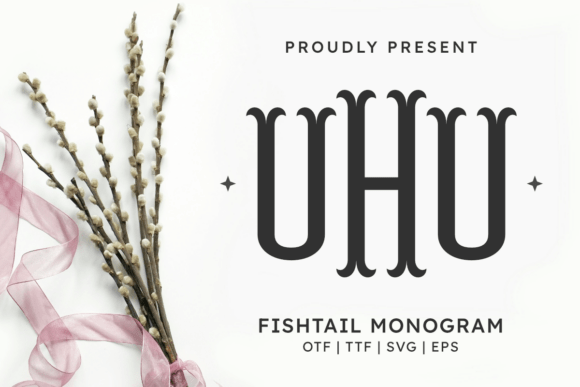
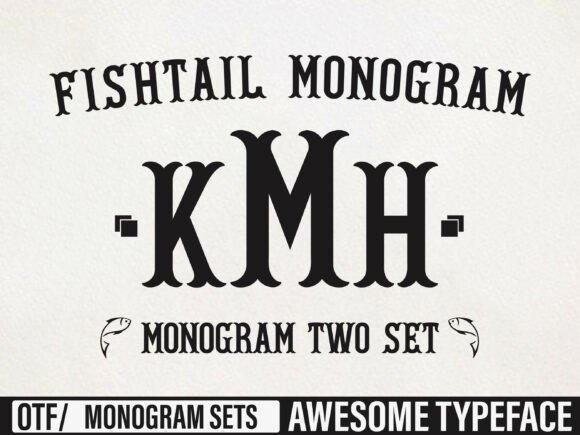
At its core, the Fishtail Monogram is defined by its distinctive terminal strokes. Unlike standard serif fonts where the ends of letters are blunt or uniform, the fishtail style features split or forked endings that resemble the tail of a fish. This detail draws inspiration from Art Nouveau and Victorian lettering traditions, yet it has been refined for contemporary use. The result is a typeface that feels both historic and fresh.
What makes this font particularly useful is its structural balance. While the decorative tails provide visual interest, the main body of the characters remains legible. This balance is crucial for designers working on projects where readability cannot be sacrificed for aesthetics. The curves are fluid, creating a sense of movement even in static text. When used correctly, the Fishtail Monogram does not just display letters; it creates a mood of refinement and attention to detail.
Why Designers Choose This Style
- Distinctive Branding: In a sea of sans-serif logos, a monogram with fishtail details immediately signals a premium or boutique brand identity.
- Craft Compatibility: The intricate lines translate well into various mediums, from laser-cut wood to embossed paper.
- Emotional Resonance: The organic shapes evoke feelings of creativity, grace, and timeless style.
- Versatility: It works effectively in both all-caps headers and mixed-case sentences, depending on the specific variation.
Practical Applications for Creative Projects
The true value of the Fishtail Monogram lies in its application. It is not merely a font to be downloaded and applied indiscriminately; it is a design element that requires thoughtful placement. For entrepreneurs and small business owners, this font is ideal for luxury goods, fashion labels, and high-end service providers. Imagine a skincare brand using a delicate fishtail monogram on minimalist packaging; the contrast between the clean background and the ornate lettering suggests purity and craftsmanship.
For educators and publishers, the font offers a way to highlight chapter headings or create custom certificates. The formal nature of the script lends authority to documents while maintaining an artistic flair. Bloggers and content creators can utilize it for featured images, social media banners, or newsletter headers to establish a cohesive visual identity across platforms. The key is consistency. Once you choose to incorporate the Fishtail Monogram into your brand voice, ensure it appears regularly enough to become recognizable but sparingly enough to remain special.
Ideas for Crafters and Hobbyists
Hobbyists often seek ways to add a professional touch to handmade items. The Fishtail Monogram is perfect for this purpose. Consider these practical project ideas:
- Custom Stationery: Create personalized envelopes, thank-you cards, or journal covers. The font looks exceptional when printed on textured paper or cardstock.
- Home Decor: Use vinyl cutters to apply the monogram to glass jars, wooden signs, or ceramic mugs. The intricate details of the font stand out beautifully against solid colors.
- Event Invitations: Weddings, anniversaries, and gala events benefit from the romantic and classic feel of the script. Pair it with simple geometric borders to keep the design balanced.
- Apparel Embroidery: Small businesses selling t-shirts or tote bags can use the monogram for chest pockets or back prints, offering a more sophisticated alternative to block-letter slogans.
Adapting the Font for Different Audiences
While the aesthetic of the Fishtail Monogram is inherently elegant, its impact changes based on the audience. For a younger demographic, such as Gen Z or Millennials interested in streetwear or indie culture, pairing the font with bold, contrasting colors or distressed textures can create a retro-modern look. This juxtaposition prevents the design from feeling too old-fashioned or stuffy.
Conversely, for corporate clients or older audiences, the font should be used with restraint. Stick to neutral color palettes like navy, charcoal, gold, or deep burgundy. Ensure there is ample whitespace around the text. Overcrowding the monogram with other elements can make it appear cluttered and diminish its elegance. The goal is to let the typography breathe, allowing the viewer to appreciate the fine details of the fishtail terminals.
Technical Considerations for Digital Use
When moving from print to screen, clarity becomes paramount. On mobile devices, small details can get lost if the font size is too small. If you are using the Fishtail Monogram for website navigation or buttons, test the rendering at various zoom levels. Sometimes, simplifying the monogram to just two or three initials rather than a full name ensures better legibility on smaller screens. Additionally, consider the background contrast. Lighter shades of the font may struggle against white backgrounds, so darker hues or drop shadows might be necessary to maintain visibility without compromising the style.
Maintaining Consistency and Originality
A common pitfall when using decorative fonts is overuse. To keep your results clear and effective, establish a hierarchy. Use the Fishtail Monogram for headlines, logos, or focal points, but pair it with a clean, neutral sans-serif or slab-serif font for body text. This combination ensures that your message is readable while still benefiting from the stylistic flair of the monogram.
Originality comes from how you manipulate the font within your design system. Do not simply rely on the default settings. Experiment with kerning (the space between letters) to tighten or loosen the connection between characters. Adjust the tracking to change the overall width of the word. You might also explore layering techniques, such as placing a solid shape behind the monogram or integrating it with hand-drawn illustrations. These adjustments demonstrate a deeper level of creative direction and prevent your work from looking generic.
Final Thoughts on Creative Direction
The Fishtail Monogram is more than just a set of characters; it is a vehicle for storytelling. It speaks of heritage, care, and a commitment to quality. Whether you are launching a new product line, organizing a community event, or simply decorating your home, this font offers a pathway to express those values visually. By understanding its strengths and limitations, you can harness its potential to create designs that are not only beautiful but also functional and memorable. As you explore your next project, remember that the best design choices are those that serve the audience first, using tools like the Fishtail Monogram to enhance the experience rather than distract from it.