Mastering the Bold Style of Lovely Graffiti
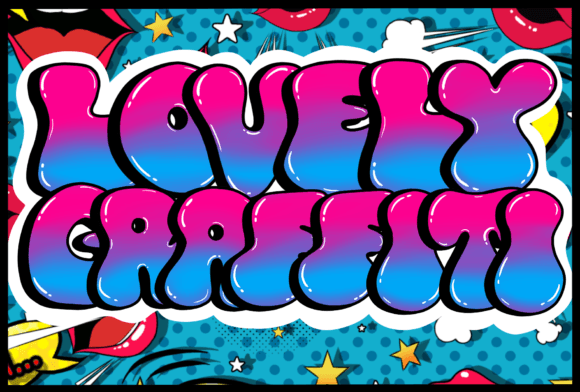
In a digital landscape often dominated by sleek sans-serifs and rigid geometric typefaces, there is a distinct hunger for personality. Designers and creators are increasingly seeking tools that convey emotion, energy, and a sense of human touch. This is where Lovely Graffiti steps in as a powerful asset. It is not merely a font; it is a visual statement that bridges the gap between street art culture and professional design. With its fun and chunky letterforms, this typeface mimics the organic flow of spray paint while maintaining enough structure to remain legible in various contexts.
The appeal of Lovely Graffiti lies in its ability to transform static text into dynamic art. The letters are bold and playful, designed to make any composition stand out with a cool and creative touch. Whether you are a marketer trying to capture the attention of a younger demographic or an educator looking to energize a classroom presentation, this font offers a unique solution. It brings an element of rebellion and joy that standard typography simply cannot replicate.
Understanding the Aesthetic of Chunky Lettering
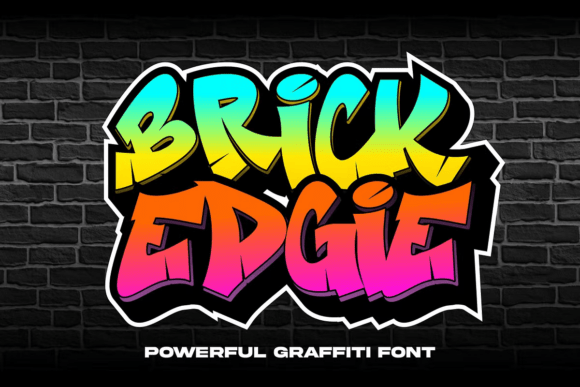
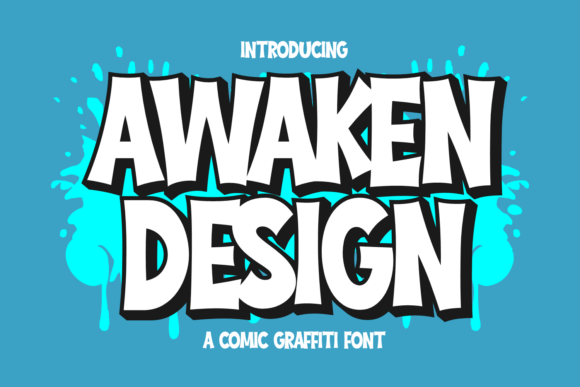
To use Lovely Graffiti effectively, one must first understand what makes it tick. Unlike traditional graffiti which can sometimes be illegible due to excessive stylization, this font strikes a balance. The "chunky" nature of the strokes provides weight and presence, ensuring that headlines command attention immediately. The curves are soft yet assertive, avoiding the sharp aggression often associated with urban art styles.
This specific aesthetic serves a functional purpose beyond mere decoration. In design psychology, rounded and thick shapes are often perceived as friendly, approachable, and energetic. When applied correctly, Lovely Graffiti can soften a brand's image, making it feel more accessible and community-oriented. It suggests that the creator is not afraid to break the rules slightly, fostering a connection with audiences who value authenticity over corporate polish.
The versatility of the font also extends to its color adaptability. Because the outlines are substantial, they hold up well against complex backgrounds, gradients, and even photographic textures. This makes it an excellent choice for overlays on social media images, poster designs, and merchandise where high contrast is essential for readability.
Creative Applications Across Industries
The utility of Lovely Graffiti spans a wide range of industries, proving that street-style aesthetics have a place in professional environments. Here are several practical ways different users can adapt this font for their specific goals:
- Marketing and Branding: Small business owners and entrepreneurs can use this font for limited-time offers, event flyers, or product packaging. For instance, a coffee shop launching a new seasonal blend could use Lovely Graffiti for the headline to evoke a sense of excitement and freshness. It works particularly well for brands targeting Gen Z and Millennials who appreciate visual storytelling.
- Digital Content and Social Media: Bloggers and content creators need visuals that stop the scroll. Using this font for Instagram story highlights, YouTube thumbnails, or blog post headers adds a layer of personality that distinguishes the content from competitors. The playful nature of the letters encourages engagement and shares.
- Education and Youth Programs: Educators and workshop facilitators can leverage the fun aspect of the font to create engaging lesson plans, certificates, or bulletin board displays. Children and young adults respond positively to vibrant, non-traditional typography, which can help maintain focus and interest in learning materials.
- Merchandise and Apparel: Freelancers and designers creating t-shirts, tote bags, or stickers will find Lovely Graffiti ideal. The bold strokes translate well to screen printing and embroidery techniques, ensuring the design remains crisp and recognizable even when scaled down.
Adapting Styles for Different Audiences
While the core style of the font is consistent, the way you present it can shift the message entirely. For a more mature audience, such as corporate teams organizing a casual retreat, pair the font with a clean, neutral background and minimal color palettes. This grounds the playfulness, making it feel sophisticated rather than chaotic. Conversely, for children's parties or music festivals, embrace the full spectrum of neon colors and textured backgrounds to amplify the energy.
It is also important to consider the medium. On mobile screens, where space is limited, the chunky nature of Lovely Graffiti ensures that short phrases remain readable without becoming muddy. However, for long-form text, it is best reserved for headings only. Using it for paragraphs can lead to visual fatigue and reduce accessibility. Always prioritize clarity over style when dealing with body copy.
Practical Tips for Effective Design Integration
Integrating a distinctive typeface like Lovely Graffiti requires a strategic approach to ensure the final result is cohesive and effective. One common mistake is overuse. Because the font is so expressive, it should act as the focal point of your design rather than a supporting character. Limit its usage to titles, slogans, or key call-to-action buttons.
Pairing is another critical element. To maintain a professional look, combine Lovely Graffiti with a simple, highly legible sans-serif or serif font for the rest of the text. This contrast creates a hierarchy that guides the reader's eye naturally. The boldness of the graffiti font draws attention first, while the secondary font provides the necessary details in a structured format.
Spacing and kerning also play a vital role. Due to the irregular shapes of the letters, automatic spacing settings may not always yield the best results. Manually adjusting the tracking (letter-spacing) can help the words breathe and prevent them from clumping together. In some cases, adding a slight drop shadow or outline can enhance depth, especially when placing the text over busy imagery.
Maintaining Consistency and Originality
When building a brand identity around a font like this, consistency is key. Establish guidelines for how Lovely Graffiti is used across all platforms. Decide on a standard set of colors, sizes, and accompanying fonts to ensure that your visual language remains recognizable. This helps build trust with your audience, as they will begin to associate the unique style with your specific brand values.
Furthermore, do not be afraid to experiment with variations. While the font itself provides a strong base, you can manipulate it further by changing weights, applying texture effects, or integrating hand-drawn elements. The goal is to keep the design feeling fresh and original without losing the core essence of the typeface. Remember, the most successful designs are those that respect the source material while pushing its boundaries to fit a unique context.
Ultimately, Lovely Graffiti is more than just a decorative element; it is a tool for communication. It speaks a language of creativity, freedom, and bold expression. By understanding its strengths and limitations, designers and creators can harness its power to produce work that is not only visually striking but also deeply resonant with their intended audience. Whether you are launching a startup, planning an event, or simply looking to add a splash of color to your portfolio, this font offers a reliable path to standing out in a crowded market.