Retro Distressed: The Ultimate Guide to Vintage Typography
In the ever-evolving landscape of graphic design, there is a persistent hunger for authenticity. While sleek, minimalist sans-serifs dominate the digital interface, creators and business owners often find themselves reaching back to the past to convey grit, history, and character. This is where Retro Distressed steps in as a powerful tool. More than just a font with scratches on it, this textured display typeface captures the essence of classic retro posters, worn-out print styles, and the rugged aesthetic of urban culture. For anyone looking to infuse their projects with a nostalgic yet modern flair, understanding how to leverage this specific typographic style is essential.
The Philosophy Behind Weathered Type
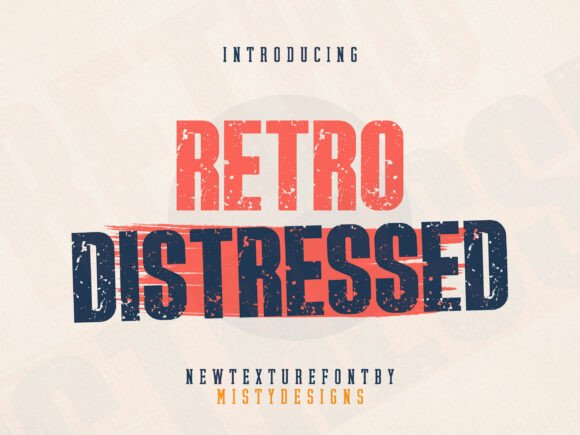
To truly appreciate Retro Distressed, one must understand the emotional weight it carries. In design, texture is not merely decorative; it is communicative. A clean, sharp line suggests precision and futurism, while a jagged, eroded edge suggests time, endurance, and raw energy. Retro Distressed embodies the latter. It mimics the natural decay found in vintage advertisements, concert flyers from the 1970s, and weathered street signs that have stood against the elements for decades.
This font does not just sit on the page; it tells a story before the reader even processes the words. It evokes a sense of nostalgia, reminding viewers of an era when physical media was king and imperfections were part of the charm. However, it avoids feeling dated by incorporating a modern twist. The underlying structure remains bold and legible, ensuring that the "grit" enhances rather than obscures the message. This balance makes it a standout choice for attention-grabbing titles and headlines where immediate visual impact is required.
Key Characteristics That Define the Style
When evaluating whether Retro Distressed is the right fit for your project, it is helpful to break down its specific features. These characteristics distinguish it from standard serif or slab fonts:
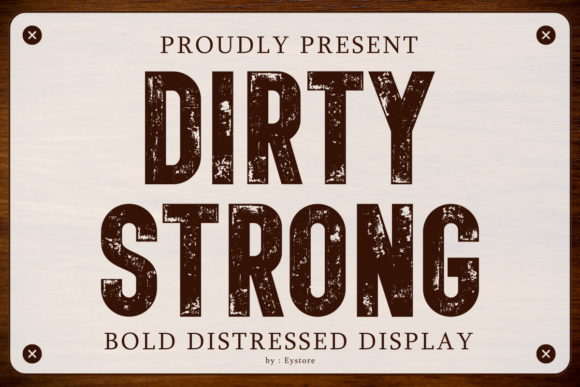
- Rugged Edges: Unlike smooth vector curves, the edges of this font are intentionally irregular. They mimic the effect of ink bleeding into paper or paint chipping off a surface.
- Weathered Texture: The interior of the letters often contains noise, speckles, or uneven shading, simulating the look of aged material.
- Bold Weight: To maintain readability despite the texture, the font utilizes a heavy stroke width. This ensures that the text remains impactful even at smaller sizes or from a distance.
- Display Orientation: Designed specifically for large-scale use, Retro Distressed shines in headers and logos rather than long-form body text.
These elements combine to create a visual language that screams "urban," "vintage," and "authentic." Whether you are designing a logo for a craft brewery or a headline for a music festival, these traits provide the necessary visual hook.
Practical Applications Across Industries
The versatility of Retro Distressed extends far beyond a single niche. Its ability to bridge the gap between old-school aesthetics and contemporary design makes it valuable for a wide array of professionals. Here are some real-world scenarios where this font excels:
Brand Identity and Logos
For business owners establishing a new brand, the logo is the first impression. If your brand values heritage, craftsmanship, or a rebellious spirit, Retro Distressed can be the cornerstone of your identity. Imagine a motorcycle repair shop, a vintage clothing boutique, or a skateboarding apparel line. In these contexts, a pristine, corporate font might feel sterile and disconnected. Conversely, a distressed font communicates that the brand has been around, has seen action, and stands the test of time.
Apparel and Merchandise
The fashion industry has long embraced the grunge and retro movements. T-shirts, hoodies, and caps often rely on typography to make a statement. Retro Distressed is perfect for t-shirt designs because it mimics the look of screen-printed graphics that have been washed and worn. When printed on fabric, the font's inherent texture blends seamlessly with the material, creating a cohesive look that feels like a collectible item rather than mass-produced merchandise.
Musical and Event Promotion
Music covers, album art, and concert posters are perhaps the most natural home for this typeface. From rock and punk to hip-hop and electronic beats, genres that value raw emotion benefit immensely from this aesthetic. A band poster featuring Retro Distressed immediately signals to the audience that the event will be energetic and unpolished in the best possible way. It sets the mood before the first note is played.
Urban-Themed Graphics and Packaging
Product packaging also benefits from this approach. Think of artisanal coffee bags, craft beer labels, or snack boxes targeting a younger demographic. The weathered texture suggests organic ingredients, small-batch production, and a rejection of industrial perfection. It adds a layer of tactile appeal that flat, digital-looking designs cannot achieve.
Navigating Limitations and Best Practices
While Retro Distressed is a powerful asset, it is not a universal solution. Like any specialized tool, it comes with considerations that designers and content creators must weigh carefully.
Readability Challenges
The primary limitation of any distressed font is legibility. The very textures that give it character can become obstacles if used incorrectly. Retro Distressed should almost exclusively be reserved for headlines, titles, and short phrases. Attempting to use it for paragraphs of body text will result in a reading experience that is frustrating and fatiguing for the user. The eye struggles to track the broken lines over long distances. Always pair it with a clean, neutral sans-serif font for the supporting text to ensure clarity.
Contextual Suitability
Not every brand needs a gritty aesthetic. If you are working in healthcare, legal services, or high-end luxury tech, the rough edges of Retro Distressed may send the wrong message. In these fields, trust and precision are paramount, and a weathered look could inadvertently suggest negligence or lack of care. Evaluate your audience's expectations before committing to this style. Does your target market value tradition and ruggedness, or do they prefer sleek innovation?
Color and Contrast
To maximize the effectiveness of this font, color selection is critical. Because the texture relies on variations in tone, using low-contrast color combinations can cause the details to disappear. High contrast—such as white text on a dark background or vice versa—is usually the safest bet. Additionally, adding a subtle drop shadow or outline can help separate the text from busy backgrounds, ensuring the rugged edges remain visible.
Evaluating Suitability for Your Project
Before integrating Retro Distressed into your workflow, ask yourself a few key questions to determine if it aligns with your goals:
- What emotion am I trying to evoke? If the answer involves nostalgia, rebellion, strength, or history, this font is likely a strong candidate.
- Where will the text appear? Is it a large banner, a logo, or a social media header? If yes, proceed. If it is a paragraph of instructions, reconsider.
- Does it clash with my existing brand guidelines? Ensure the vintage flair complements your other visual assets rather than fighting against them.
- Is the message clear? Test the font at various sizes to ensure the texture doesn't obscure the meaning of the words.
By approaching the design process with these considerations in mind, you can harness the power of Retro Distressed without falling into common pitfalls. The goal is to enhance the message, not distract from it.
Conclusion: Bringing Character to Modern Design
In a digital world dominated by pixel-perfect uniformity, there is a distinct advantage to embracing imperfection. Retro Distressed offers more than just a visual style; it offers a narrative. It allows creators, business owners, and professionals to inject personality, history, and a touch of the unexpected into their work. Whether you are crafting a logo that needs to stand out on a crowded shelf, designing a t-shirt that speaks to a subculture, or creating a headline that demands attention, this font provides the rugged edges and weathered texture needed to make an impact.
Ultimately, the value of Retro Distressed lies in its ability to connect with the viewer on an emotional level. It reminds us of the tangible world, of things that have been used, loved, and worn. By understanding its strengths, respecting its limitations, and applying it thoughtfully, you can bring bold character and vintage flair to your designs, ensuring they resonate deeply with your audience.