Varsity Spirit: The Enduring Legacy of Collegiate Typography in Modern Design
The visual language of American sports is instantly recognizable, anchored by a specific aesthetic that transcends decades of fashion and design trends. At the heart of this identity lies the bold, blocky lettering known as varsity type. This style, often associated with Varsity Spirit, represents more than just a font choice; it is a cultural symbol of teamwork, achievement, and school pride. For designers, educators, and DIY enthusiasts, understanding the nuances of this typographic style is essential for creating authentic athletic themes, custom monograms, and impactful branding materials.
The Anatomy of the Varsity Typeface
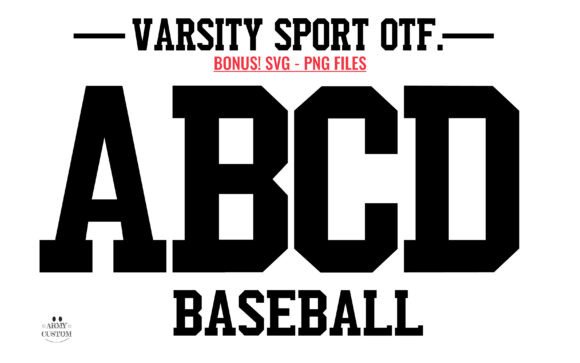
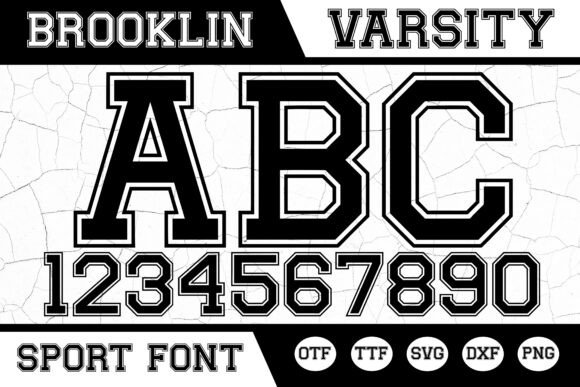
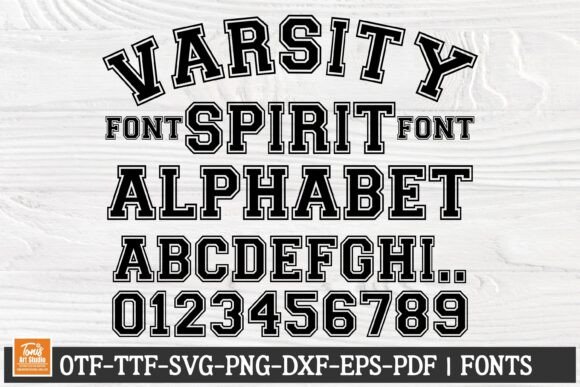
To truly appreciate the utility of a high-quality varsity font, one must first understand its structural characteristics. Unlike standard sans-serif fonts, varsity letters are defined by their heavy weight, geometric precision, and distinctive serifs that often mimic the stitching found on letterman jackets. These letters typically feature a uniform stroke width, creating a solid, unbreakable presence on any medium.
The defining feature of the classic collegiate alphabet is the arch or curve often found over the top of certain characters, such as the 'A' or 'V', which adds a sense of motion and energy. When rendered in vector formats like SVG (Scalable Vector Graphics), these lines remain crisp at any size, from a tiny logo on a pen to a massive mural on a stadium wall. The bold nature of the strokes ensures legibility even from a distance, a critical requirement for jerseys, banners, and signage where visibility is paramount.
Modern iterations of this style maintain the core DNA of the original while offering variations that suit contemporary design needs. Some versions include outlined styles, while others offer filled blocks with drop shadows to create depth. Whether used for a retro-inspired project or a sleek, modern team logo, the fundamental geometry of the varsity font remains the anchor of its appeal.
Vector Precision and File Formats
In the digital age, the versatility of a font package is determined by the file formats it includes. A comprehensive collection for serious creators will offer multiple formats to ensure compatibility across various software environments. The inclusion of OTF (OpenType Font) and TTF (TrueType Font) files allows for seamless integration into word processors and desktop publishing applications like Adobe InDesign or Microsoft Word. These formats are ideal for typesetting documents, newsletters, and marketing materials where text flow and kerning are important.
However, for cutting machines and graphic manipulation, vector formats are indispensable. SVG files are particularly valuable because they define shapes using mathematical equations rather than pixels. This means that when a designer scales a letter up or down, the quality never degrades. This is crucial for projects involving Cricut or Silhouette machines, where the software reads the vector paths to guide the cutting blade. Similarly, EPS (Encapsulated PostScript) files provide a robust standard for professional print production, ensuring that colors and outlines remain accurate when sent to commercial printers.
Raster formats like PNG and PDF also play a role in the workflow. High-resolution PNGs with transparent backgrounds allow for quick placement in web designs or social media graphics without the need for complex vector editing. PDF files serve as a universal exchange format, preserving the layout and typography exactly as intended, making them perfect for sharing proofs with clients or printing directly from a browser.
Applications in Digital Fabrication and Cutting Machines
The rise of consumer-grade cutting machines has democratized the creation of custom apparel and home decor. Tools like the Cricut Maker or Silhouette Cameo have made it possible for hobbyists to produce professional-looking results from their home offices. The varsity font is a staple in this ecosystem due to its clean lines and lack of intricate details that might cause issues during the weeding process.
When working with heat transfer vinyl (HTV) or adhesive vinyl, the simplicity of the varsity block letters is an advantage. Complex scripts or thin serif fonts can be difficult to weed—the process of removing excess vinyl from around the design. Bold varsity letters, with their thick strokes and enclosed counters, hold together well, reducing the risk of tearing or misalignment. This makes them the go-to choice for personalizing t-shirts, tote bags, and hats for school spirit events, pep rallies, and family reunions.
Beyond simple text, the versatility of these fonts allows for creative layering. Designers often use the outline version of a letter as a base and fill it with a patterned vinyl, such as camo, plaid, or glitter. The strong structure of the varsity alphabet supports these multi-layer techniques without losing definition. Furthermore, the ability to manipulate individual letters in vector software allows for unique spacing and kerning adjustments, enabling the creation of custom monograms that stand out from standard template designs.
Workflow Integration for Creators
Integrating a versatile font pack into a design workflow requires familiarity with industry-standard software. Adobe Illustrator remains the gold standard for vector manipulation, allowing users to expand text into outlines, modify anchor points, and apply complex effects. The OTF and TTF files included in a premium package ensure that the font renders correctly within Illustrator's extensive library of tools.
For those who prefer a subscription-based cloud platform, Canva offers a user-friendly interface that supports font uploads. By uploading the TTF or OTF files, creators can access the varsity typeface alongside thousands of other design elements. This accessibility bridges the gap between professional designers and casual users, allowing teachers to create classroom awards or parents to design party invitations with ease.
Photoshop, while primarily a raster editor, benefits from the availability of these fonts for mockups and compositing. Designers can type out jersey numbers or team names, apply layer styles like bevels and embosses to simulate fabric texture, and then export the result as a high-quality image for presentation. The combination of these tools creates a flexible environment where the same font asset can be utilized for everything from a quick social media post to a large-scale print run.
Cultural Significance and Brand Identity
The power of the varsity font extends beyond its technical specifications; it carries significant cultural weight. In the context of Varsity Spirit, the typography evokes a sense of tradition and belonging. It is the visual shorthand for excellence, hard work, and community. When a student sees their name printed in bold block letters on a jacket, it signifies membership in a group and recognition of their contribution.
Business owners and brand managers leverage this emotional connection to build trust and excitement. Sports teams, youth leagues, and educational institutions use this style to reinforce their identity. A logo featuring varsity lettering immediately communicates the nature of the organization to the public. It suggests activity, competition, and a shared goal. This psychological impact is why the style remains relevant despite the constant evolution of graphic design trends.
Educators also find value in this aesthetic. Classroom decorations, award certificates, and bulletin boards utilizing varsity fonts can boost morale and create a competitive yet supportive atmosphere. It helps students feel part of a "team," whether they are competing in academic challenges or collaborative projects. The font serves as a tool for engagement, turning mundane tasks into spirited endeavors.
Customization and Personalization Trends
One of the most significant trends in recent years is the demand for hyper-personalization. Consumers no longer want mass-produced items; they seek products that reflect their unique identities. The varsity font facilitates this trend perfectly. Because the letters are distinct and modular, they can be easily rearranged, combined with icons, or altered to fit specific themes.
Monogramming has seen a resurgence, with individuals combining initials into cohesive logos for clothing, jewelry, and home goods. The bold nature of the varsity style ensures that even small monograms remain readable and impactful. Additionally, the fusion of traditional varsity aesthetics with modern elements—such as neon gradients, distressed textures, or 3D rendering—creates fresh looks that appeal to younger demographics while honoring the classic roots of the design.
Consider the case of a local running club looking to rebrand. Instead of a generic script font, they opt for a varsity typeface to emphasize strength and endurance. They customize the 'R' to incorporate a stylized runner silhouette, maintaining the block structure but adding a unique twist. This approach not only differentiates the club but also aligns the visual identity with the values of the members. Such examples demonstrate how a single font family can be adapted to tell diverse stories across different sectors.
Technical Considerations for Professional Use
While the varsity font is accessible to beginners, professionals must consider several technical factors to ensure high-quality output. Licensing is a primary concern. Commercial use of fonts requires appropriate licensing agreements, especially when the designs are sold as physical products or used in corporate branding. Reputable sources provide clear terms regarding usage rights, ensuring that creators do not inadvertently violate copyright laws.
Kerning and leading are critical in typography. While varsity letters are generally designed to sit close together, automatic spacing in some software may not yield the best results for large headlines. Manual adjustment of the space between characters can improve readability and aesthetic balance. Similarly, line height (leading) should be adjusted to prevent letters from touching vertically, which can create a cluttered appearance in stacked text layouts.
Color selection also plays a vital role. The high contrast inherent in black-and-white varsity designs is iconic, but applying color requires care. Using complementary colors can enhance the vibrancy of the design, while analogous schemes create a more harmonious look. For print applications, understanding CMYK color profiles is essential to ensure that the bold blacks and bright accent colors reproduce accurately on paper or fabric.
Future Directions in Typographic Design
As technology advances, the ways in which we interact with typography continue to evolve. Augmented reality (AR) and interactive digital displays offer new canvases for varsity-style fonts. Imagine a jersey that, when scanned with a smartphone, reveals animated statistics or player bios in the same bold typeface. The scalability of SVG files makes them perfect candidates for these dynamic applications, where the font must render clearly on screens of varying resolutions.
Furthermore, the intersection of sustainability and design is influencing material choices. Eco-friendly vinyls and recycled fabrics are becoming standard, and the efficiency of the varsity font in minimizing waste during the cutting process aligns well with these values. Its straightforward geometry reduces the amount of off-cut material, contributing to a more sustainable production workflow.
Ultimately, the enduring popularity of the varsity font lies in its ability to adapt. It is a bridge between the past and the future, connecting the traditions of collegiate athletics with the innovative capabilities of modern design tools. Whether used for a simple DIY project or a complex brand campaign, this typeface continues to inspire creativity and foster a sense of community among users worldwide. By mastering its application and understanding its technical requirements, designers can harness the full potential of this powerful visual tool.