Varsity Sport Army: A Comprehensive Evaluation of Collegiate Typography
In the realm of graphic design, typography serves as the silent narrator of a brand's identity. For institutions and organizations aiming to evoke the raw energy of competitive athletics combined with the prestige of higher education, Varsity Sport Army has emerged as a significant option. This premium university-style font is engineered to capture the dual essence of the arena and the academy. It is not merely a decorative typeface; it is a visual tool designed to resonate with passionate sports enthusiasts and devoted college fans alike. When evaluating design assets for athletic programs, alumni associations, or collegiate merchandise, understanding the specific utility and limitations of Varsity Sport Army is essential for making an informed decision.
The Distinctive Character of Varsity Sport Army
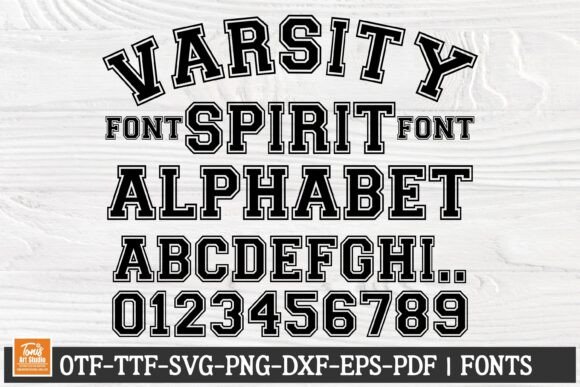
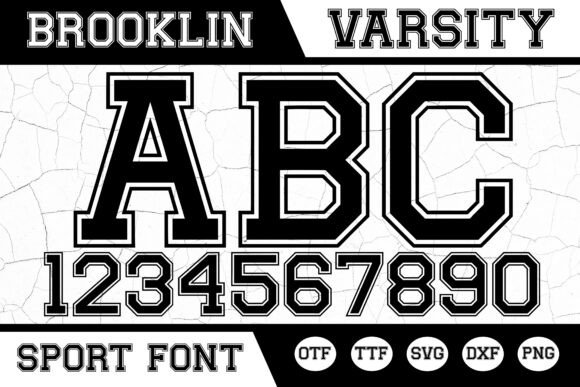
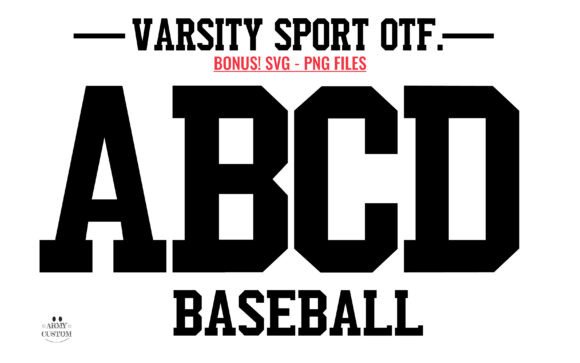
What sets Varsity Sport Army apart from generic block lettering is its deliberate attention to the nuances of collegiate tradition. The design philosophy behind this typeface focuses on balancing legibility with the aggressive, bold aesthetic required for stadium signage, jerseys, and promotional materials. Unlike standard sans-serif fonts that prioritize neutrality, Varsity Sport Army incorporates subtle stylistic elements that mimic the hand-painted signs and vintage lettering found in classic university archives.
The font's structure emphasizes stability and strength, mirroring the physical nature of team sports. Each character is constructed to maintain integrity even at large scales, ensuring that the "rush of the big game" translates visually without distortion. Furthermore, the design includes specific ligatures and alternate glyphs that allow for customization, enabling designers to create unique wordmarks that feel authentic rather than templated. This level of detail is crucial for organizations that wish to embody the vibrant energy and community spirit synonymous with school and university leagues.
However, the distinctiveness of Varsity Sport Army also defines its boundaries. Its heavy weight and angular forms are optimized for headlines and short bursts of text. Attempting to use it for long-form body copy can result in reduced readability due to the density of the strokes. Therefore, its primary function is as a display font, intended to grab attention and establish a thematic tone immediately.
Comparative Analysis: Varsity Sport Army vs. Standard Alternatives
When comparing Varsity Sport Army to other options in the collegiate and athletic typography category, several key differentiators become apparent. The market is saturated with "varsity" style fonts, ranging from free, low-resolution downloads to high-end commercial licenses. Many free alternatives lack the kerning precision and vector smoothness required for professional print production. In contrast, Varsity Sport Army offers a robust character set that ensures consistent spacing and alignment, which is vital for maintaining a polished look on apparel and banners.
Another common alternative is the modern geometric sans-serif family often used by contemporary sports teams. These fonts tend to be cleaner and more minimalistic, reflecting a sleek, futuristic brand identity. While effective for digital interfaces and tech-forward marketing, they often fail to convey the historical depth and nostalgia associated with traditional university moments. Varsity Sport Army fills this gap by offering a retro-modern hybrid that honors the past while remaining sharp enough for modern applications.
Furthermore, when compared to script-based collegiate fonts, which emphasize elegance and fluidity, Varsity Sport Army provides a sturdier, more assertive presence. Script fonts may be suitable for women's gymnastics or dance teams where grace is paramount, but for football, basketball, or rugby, the blocky, impactful nature of Varsity Sport Army aligns better with the perceived intensity of the sport. This distinction highlights the importance of matching the font's personality to the specific athletic context.
Evaluating Tradeoffs and Limitations
No single typeface is a universal solution, and Varsity Sport Army is no exception. One of the primary tradeoffs involves versatility. Because the font is so heavily stylized, it can clash with other design elements if not paired carefully. Using it alongside another strong display font can create visual noise, confusing the viewer. Designers must exercise restraint, typically pairing Varsity Sport Army with a neutral, highly readable sans-serif or serif font for supporting text.
Additionally, the complexity of the letterforms can pose challenges in very small sizes. On items like ticket stubs, small patches, or mobile app icons, the intricate details of the font may blur or lose definition. In these scenarios, a simpler, less ornate alternative might be more practical. It is also worth noting that the "Army" designation implies a specific aesthetic—heavy, uniform, and disciplined—which may not suit every team culture. A program focused on agility and speed might find the font slightly too static compared to a more dynamic, slanted option.
Decision Factors: When to Choose Varsity Sport Army
Determining whether Varsity Sport Army is the right choice requires a clear understanding of the project's goals and audience. This font is an ideal fit for situations where the objective is to evoke immediate recognition of collegiate tradition. If the target demographic consists of alumni, booster clubs, or long-time fans who value heritage, Varsity Sport Army effectively taps into the nostalgia of those unforgettable university moments.
It is particularly well-suited for:
- Team Branding: Creating primary logos and wordmarks for university athletic departments.
- Merchandise Design: Printing on t-shirts, hoodies, and caps where high-impact visuals are necessary.
- Event Promotion: Designing posters, flyers, and digital ads for home games and tournaments.
- Community Engagement: Developing materials for fan zones, tailgates, and alumni reunions.
In these contexts, the font's ability to capture the thrill of the arena and the cheer of the crowd becomes a strategic asset. It signals to the viewer that the content is official, spirited, and deeply connected to the institution's identity.
Scenarios Where Alternatives May Be Preferable
Conversely, there are specific scenarios where opting for a different typographic approach would yield better results. If the design brief calls for a minimalist, corporate, or academic-focused look—such as for a university research grant proposal or a formal administrative newsletter—Varsity Sport Army would likely be inappropriate. Its aggressive styling could undermine the seriousness required in such documents.
Similarly, for youth leagues or recreational sports that do not have the same historical weight as university programs, the font might feel overly intense. A lighter, friendlier typeface could better reflect the developmental and inclusive nature of these groups. Additionally, projects requiring extensive text blocks, such as rulebooks or detailed play descriptions, should avoid using Varsity Sport Army for the main body. In these cases, prioritizing readability over stylistic flair is the prudent choice.
Practical Implementation and Best Practices
To maximize the effectiveness of Varsity Sport Army, designers should adhere to established best practices regarding hierarchy and spacing. Because the letters are bold and occupy significant space, generous leading (line height) and tracking (letter spacing) adjustments are often necessary to prevent the text from feeling cramped. Experimenting with color palettes is also beneficial; while traditional team colors work well, high-contrast combinations like white-on-navy or gold-on-black can enhance the font's visibility and impact.
Furthermore, leveraging the font's extended character set allows for creative variations. Designers can mix uppercase and lowercase forms, or utilize special alternates to create unique lockups that distinguish one team from another. This flexibility ensures that while the font provides a cohesive foundation, each application retains a sense of individuality.
Conclusion: Making an Informed Typographic Choice
Ultimately, the decision to integrate Varsity Sport Army into a design project hinges on the alignment between the font's inherent characteristics and the specific needs of the organization. It is a powerful tool for those seeking to celebrate the intersection of athletics and academia, offering a visual language that speaks directly to the heart of the college experience. However, like any specialized resource, it requires thoughtful application to avoid misuse.
By weighing the strengths of its nostalgic appeal and structural robustness against the limitations of its size sensitivity and stylistic rigidity, stakeholders can make a balanced judgment. Whether designing a championship banner or a commemorative yearbook, understanding the nuances of Varsity Sport Army ensures that the final product not only looks professional but also authentically captures the spirit of the game.