Beyond the Holiday: Integrating Memorial Day into Modern Creative and Business Strategies
As the calendar shifts toward late spring, a distinct shift occurs in the cultural and commercial landscape of the United States. Memorial Day serves as more than just a three-day weekend; it is a pivotal moment that bridges the solemnity of remembrance with the vibrant onset of summer. For professionals, creators, entrepreneurs, and marketers, understanding the nuances of this holiday is essential for navigating the complex intersection of consumer sentiment, brand responsibility, and seasonal trends. It is a time when the collective mood oscillates between reflection and celebration, requiring a sophisticated approach to content creation and business planning.
The Dual Nature of Memorial Day
To effectively engage with an audience during this period, one must first understand what Memorial Day truly represents. Established to honor the men and women who died while serving in the U.S. military, the day carries a weight of historical significance and national gratitude. Unlike other holidays driven purely by festivity or commerce, Memorial Day demands a tone of respect. However, it also functions as the traditional kickoff of the summer season, signaling a change in weather, lifestyle, and consumer behavior.
This duality creates a unique challenge and opportunity for businesses. The market is flooded with "summer sale" messaging, yet the underlying context remains deeply patriotic and somber. Successful strategies do not ignore this tension but rather navigate it with empathy and clarity. The most effective campaigns acknowledge the gravity of the occasion before transitioning into the seasonal themes that follow. This balance ensures that brands remain relevant without appearing insensitive or overly commercialized.
Shifting Consumer Expectations and Sentiment
In recent years, consumer expectations have evolved significantly regarding how brands interact with significant cultural events. Audiences are increasingly discerning, capable of distinguishing between genuine engagement and opportunistic marketing. When discussing Memorial Day, the modern consumer expects authenticity. They are looking for brands that understand the history and the spirit of the day rather than those that simply use it as a backdrop for aggressive discounting.
This shift has forced marketers to rethink their workflows. The days of generic "Happy Memorial Day" slogans accompanied by heavy sales graphics are fading. Instead, there is a growing preference for storytelling that highlights community, service, and personal connection. Brands that share stories of veterans, support local charities, or offer meaningful tributes often see higher engagement rates. This trend reflects a broader movement in the digital space where emotional resonance outweighs transactional incentives.
- Authenticity over Aggression: Consumers respond better to respectful acknowledgments than to loud sales pitches during solemn holidays.
- Community Focus: Highlighting local efforts or partnerships with veteran organizations builds trust and goodwill.
- Visual Sensitivity: Design choices should reflect the dual nature of the day, balancing patriotic imagery with clean, uncluttered aesthetics.
Creative Trends and Design Considerations
For designers and creatives, Memorial Day presents a fascinating canvas for exploring typography and visual hierarchy. The need to convey both reverence and the optimism of summer requires a nuanced design language. One area where this is particularly evident is in the choice of typography. While bold, industrial fonts might suit the strength of the military theme, they can sometimes feel too harsh for a message of gratitude.
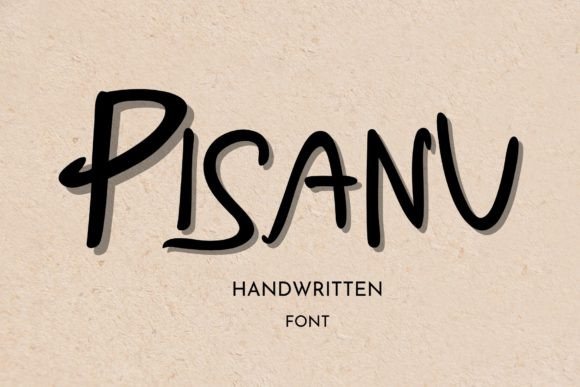
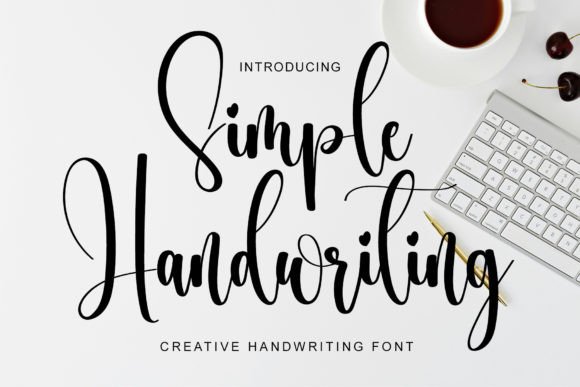
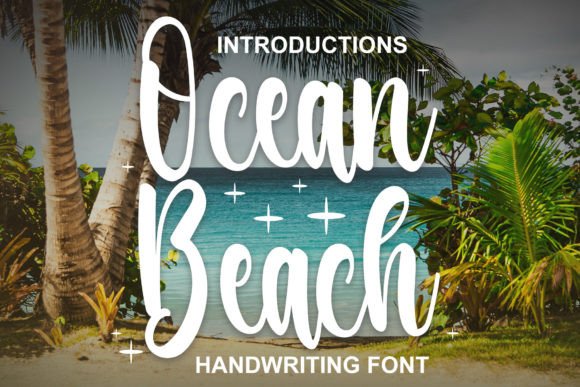
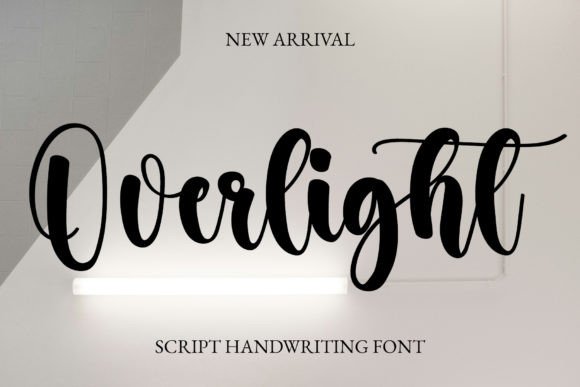
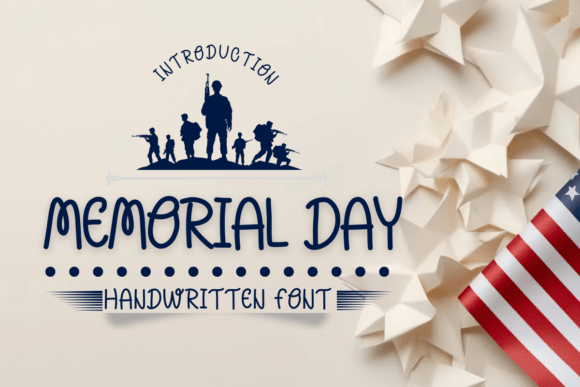
Conversely, softer, more human-centric typefaces are gaining traction. For instance, Memorial Day is a sweet and friendly handwritten font. Its natural and unique style makes it incredibly fitting to a large pool of designs. The only limit is your imagination. By utilizing a font with these characteristics, creators can inject a sense of personal touch and warmth into their projects. This approach humanizes the message, making it feel less like a corporate broadcast and more like a personal note from one individual to another.
Leveraging Handwritten Aesthetics in Digital Spaces
The integration of handwritten styles like the one described above aligns with a broader trend in digital design: the return to the analog. In an era dominated by sleek, geometric sans-serifs and AI-generated perfection, the imperfections of a handwritten font stand out. They signal effort, care, and humanity. When applied to Memorial Day campaigns, such fonts can be used for quotes, testimonials, or calls to action that require a gentle, inviting tone.
Consider a social media graphic honoring fallen heroes. A standard block letter might convey authority, but a handwritten script can convey intimacy and sorrow. Similarly, for a summer sale announcement following the holiday, the same font can transition the mood from solemn to celebratory without jarring the viewer. This versatility allows creators to maintain a cohesive brand voice throughout the entire holiday week. It demonstrates that the brand understands the emotional arc of the season.
- Contextual Application: Use handwritten fonts for personal messages, tributes, and soft calls to action.
- Contrast and Balance: Pair organic scripts with structured layouts to maintain readability while adding character.
- Emotional Resonance: Leverage the "sweet and friendly" nature of the font to soften the blow of commercial messaging.
Strategic Implications for Entrepreneurs and Marketers
From a business perspective, Memorial Day is a critical data point for forecasting summer performance. Retailers, hospitality providers, and service industries rely on the long weekend to gauge demand for the upcoming months. However, the way this demand is captured is changing. The traditional model of deep discounts is being supplemented by value-driven offers and experiential marketing.
Entrepreneurs are finding success by creating packages that align with the values of the day. For example, travel agencies might offer "Patriot Packages" that include visits to historical sites, while tech companies might donate a portion of proceeds to veteran support groups. These initiatives not only drive revenue but also enhance brand equity. They position the business as a responsible member of the community, which is a powerful differentiator in crowded markets.
Navigating the Workflow of the Long Weekend
The operational side of Memorial Day also requires careful planning. With many employees taking the day off, customer service expectations shift. Businesses must communicate clearly about operating hours, shipping delays, and support availability. Transparency is key. A well-crafted communication plan that utilizes clear, accessible language—perhaps even leveraging the friendly tone of a handwritten font in internal memos or external notices—can mitigate frustration and build loyalty.
Furthermore, the timing of content release is crucial. Marketers should avoid launching major sales campaigns on the morning of Memorial Day itself. Instead, the strategy should involve building anticipation in the days leading up to the holiday and then shifting focus to the start of summer immediately after. This rhythm respects the sanctity of the day while capitalizing on the consumer's desire to begin their summer activities.
Looking Forward: The Evolution of Holiday Marketing
As we look toward the future, the role of holidays like Memorial Day in the digital ecosystem will continue to evolve. The lines between public observance and private celebration will blur further, requiring brands to be more agile and empathetic. Technology will play a larger role in personalizing these experiences, allowing for targeted messages that resonate with specific segments of the audience based on their interests and values.
However, the core principle remains unchanged: respect. Whether through the strategic use of a sweet and friendly handwritten font or through thoughtful community engagement, the goal is to connect with people on a human level. The most successful professionals will be those who view Memorial Day not just as a marketing opportunity, but as a chance to contribute positively to the cultural conversation.
In conclusion, the intersection of tradition and innovation defines the modern approach to this holiday. By understanding the deeper meaning of the day and adapting creative and business strategies accordingly, professionals can create impactful campaigns that honor the past while embracing the future. The tools available today—from versatile typography to advanced analytics—provide unprecedented opportunities to tell stories that matter. As the industry moves forward, the emphasis will undoubtedly remain on authenticity, creativity, and a genuine commitment to the values that Memorial Day represents.
Ultimately, the future of holiday marketing lies in the ability to blend these elements seamlessly. It is about recognizing that behind every click, purchase, and interaction is a person with feelings, memories, and expectations. By meeting them with respect and creativity, businesses can thrive not just during the holiday, but throughout the year.