Evaluating Jersey Retro Grunge for Sports Design
In the realm of digital typography, specific aesthetic categories often emerge to serve niche design requirements. Jersey Retro Grunge is a typeface that falls squarely within the intersection of athletic branding and distressed visual styles. It is designed to mimic the worn, weathered look of vintage sports apparel while maintaining the structural integrity required for modern digital and print applications. For designers, team managers, and DIY enthusiasts looking to create logos, jerseys, or merchandise, understanding the functional capabilities and limitations of this font is essential before integrating it into a project.
Defining the Aesthetic and Function
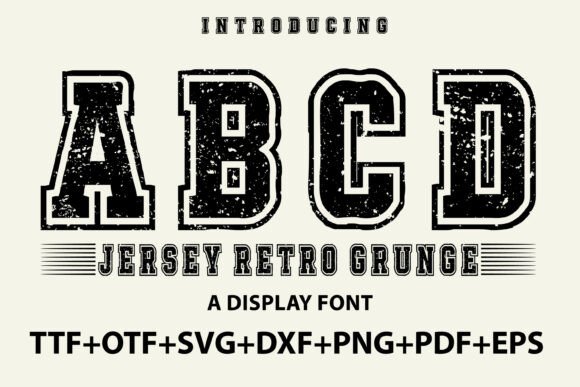
Jersey Retro Grunge is a varsity-style display font characterized by its bold weight and intentional imperfections. Unlike standard collegiate fonts which are clean and uniform, this typeface incorporates "grunge" elements—rough edges, texture-like strokes, and slight irregularities in the letterforms. These features are not random errors but deliberate stylistic choices intended to evoke a sense of history, durability, and raw energy associated with competitive sports.
The font is available in both OpenType (OTF) and TrueType (TTF) formats, ensuring compatibility across various operating systems and design software. Its comprehensive character set includes uppercase letters, numbers, and a selection of symbols, providing the necessary tools for creating complete team names, player numbers, and slogans without needing to supplement with other typefaces.
Why Designers Consider This Typeface
Interest in Jersey Retro Grunge typically stems from a need to convey a specific narrative through visual identity. In sports design, the message of "veteran status," "hard-fought battles," or "classic heritage" is often communicated through texture and wear. A pristine, smooth font might feel too corporate or new for a brand trying to establish itself as a legacy institution or a gritty underdog.
Furthermore, the versatility of the font makes it attractive for multi-platform projects. Whether a designer is working on a vector file for a large stadium banner or cutting vinyl for a t-shirt using machines like Cricut or Silhouette, the font's structure holds up well. The distinct character of the letters ensures they remain legible even when scaled down or applied to textured fabrics like cotton blends or polyester mesh commonly used in athletic gear.
Benefits and Practical Applications
The primary benefit of using Jersey Retro Grunge is its ability to add immediate context to a design. When applied to football jerseys, team logos, or championship banners, the distressed style instantly signals an athletic theme. It removes the need for additional graphic effects to achieve a rugged look, streamlining the design process.
- Brand Differentiation: In a market saturated with clean, minimalist sports logos, a grunge font helps a team or event stand out by offering a tactile, organic feel.
- Crafting Compatibility: The font is optimized for cutting machines, making it a practical choice for small businesses and hobbyists producing personalized athletic wear.
- Visual Impact: The bold display style commands attention, making it effective for headlines, titles, and short phrases where impact is more critical than readability of long text blocks.
For personalized lettering on athletic wear, the font allows for customization that feels authentic rather than mass-produced. The rough edges can blend seamlessly with the natural grain of fabric, creating a cohesive look that suggests the item has been part of many games.
Tradeoffs and Limitations
While Jersey Retro Grunge offers distinct advantages, it is not suitable for every design scenario. The very features that make it unique—the distressed edges and irregular spacing—can become liabilities in certain contexts.
Readability Issues: Display fonts with heavy textures can struggle with legibility at small sizes. Using this font for body copy, detailed rules, or fine print on a jersey tag is generally inadvisable. The intricate details may blur when printed at low resolutions or viewed from a distance if the scale is insufficient.
Aesthetic Mismatch: Not all sports brands aim for a retro or gritty image. Teams focusing on technology, precision, speed, or a futuristic identity may find the grunge style counterproductive. A sleek, aerodynamic brand image requires clean lines, whereas this font introduces visual "noise" that can clash with such a message.
Production Constraints: While the font works well for screen printing and heat transfer, extreme detail in the grunge texture can sometimes pose challenges for certain embroidery techniques. If the design relies on stitching, the smallest distressed particles might be lost or result in a messy stitch count, requiring simplification during the digitization process.
Situational Fit: When to Use and When to Look Elsewhere
Determining whether Jersey Retro Grunge aligns with your goals requires analyzing the specific nature of the project. It is a strong fit for:
- Vintage Rebrands: Reviving old team identities or creating "throwback" editions of uniforms.
- Local Leagues and Clubs: Organizations that want to emphasize community grit and grassroots competition over polished corporate sponsorship.
- Event Merchandise: T-shirts, hats, and posters for tournaments, charity runs, or local sporting events where energy and excitement are the primary themes.
- Gaming and Esports: Some gaming clans and esports teams adopt this aesthetic to project a tough, aggressive persona.
Conversely, alternatives should be considered if:
- Professional Corporate Branding: The client requires a font that conveys stability, trust, and high-end professionalism without any visual distractions.
- Long-Form Text: The design involves paragraphs of text, schedules, or player statistics where clarity is paramount.
- Futuristic Themes: The design language relies on neon, gradients, and sharp geometric shapes that conflict with the organic, worn nature of grunge typography.
- Minimalist Design Systems: Projects adhering to strict minimalism where every pixel must serve a precise, unadorned function.
Decision-Making Insights for Selection
Before committing to Jersey Retro Grunge, designers should conduct a practical test. Create a mockup of the final product, scaling the text to the exact size it will appear on the jersey or logo. Check how the texture translates on the specific material intended for use. If the design is for embroidery, consult with the digitizer to ensure the file does not require excessive simplification that would strip away the font's character.
Additionally, consider the longevity of the trend. While retro aesthetics have staying power, heavily stylized fonts can date quickly if the specific "grunge" look becomes oversaturated. Evaluate whether the font supports the brand's long-term vision or if it serves only a temporary campaign.
Ultimately, Jersey Retro Grunge is a specialized tool within the typographic toolkit. It excels when the goal is to inject personality, history, and raw energy into sports-related designs. However, its effectiveness depends entirely on the alignment between the font's rugged character and the specific narrative the brand wishes to tell. By weighing the benefits of its distinctive style against the potential tradeoffs in readability and production, designers can make an informed decision that enhances their project rather than complicating it.