Romantic Sky: A Comprehensive Evaluation of a Unique Calligraphy Typeface
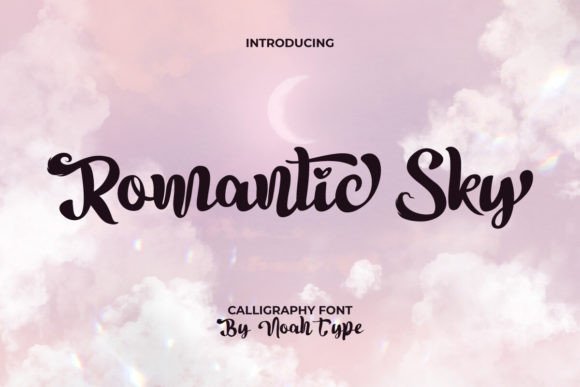
In the realm of digital typography, where generic scripts often dominate the landscape, finding a typeface that balances elegance with distinct character is a persistent challenge for designers. Romantic Sky, crafted by NoahType, emerges as a notable contender in this space, offering a romantic calligraphy aesthetic defined by its lovely and unique shapes. Unlike standard script fonts that rely on predictable flourishes, this typeface provides a fresh visual experience tailored for high-impact design applications. For professionals and enthusiasts alike, understanding the specific utility, strengths, and limitations of Romantic Sky is essential before integrating it into a project.
The Distinctive Character of Romantic Sky
At its core, Romantic Sky is designed to evoke emotion through its letterforms. The font's primary distinction lies in its exclusive shape construction, which deviates from the rigid structures found in traditional calligraphy sets. While many script fonts adhere strictly to historical penmanship rules, Romantic Sky introduces a modern fluidity that retains the warmth of hand-lettering without sacrificing readability in appropriate contexts. This makes it particularly effective for projects requiring a personal touch, such as wedding invitations, luxury product labels, or artistic frame art.
The "lovely unique shape" mentioned in its design philosophy translates into varied stroke widths and organic curves that mimic the natural flow of ink on paper. This characteristic allows the font to stand out in crowded visual environments, such as magazine catalogs or busy signage. However, this uniqueness also means that the font requires careful handling. It is not merely a decorative element but a functional tool that dictates the mood of the entire composition. When used correctly, Romantic Sky can elevate a simple menu or title into a sophisticated piece of visual communication.
Comparative Analysis: Script Fonts and Alternatives
When evaluating Romantic Sky, it is necessary to compare it against other categories of script and calligraphy fonts available in the market. Most standard script fonts fall into two camps: those that are highly legible and utilitarian, and those that are purely ornamental and difficult to read at smaller sizes. Romantic Sky attempts to bridge this gap, though it leans slightly towards the ornamental side due to its expressive nature.
- Traditional Calligraphy: Classic styles like Copperplate or Spencerian offer timeless elegance but can feel dated if not paired with modern elements. Romantic Sky offers a contemporary twist on these traditions, making it more suitable for modern branding and digital interfaces.
- Casual Scripts: Handwritten-style fonts often lack the refinement required for formal occasions like weddings or high-end packaging. In contrast, Romantic Sky maintains a level of sophistication that casual scripts frequently miss.
- Decorative Display Fonts: While many display fonts prioritize shock value over cohesion, Romantic Sky ensures that every glyph contributes to a harmonious whole, making it viable for longer text blocks in titles or quotes.
For designers comparing options, the decision often comes down to the desired emotional resonance. If the goal is to convey reliability and corporate stability, a serif or sans-serif family is superior. However, if the objective is to inspire romance, celebration, or artistic appreciation, Romantic Sky offers a specialized solution that generic alternatives cannot match.
Evaluating Versatility Across Media
The versatility of a typeface is a critical factor in any purchasing decision. Romantic Sky is marketed for a wide array of applications, including website headers, stationery, posters, and product packaging. Its performance varies across these mediums based on scale and resolution.
In print media, such as invitations and magazine catalogs, the font excels. The intricate details of the unique shapes are preserved at high resolutions, allowing the texture of the strokes to add depth to the final print. For product packaging, the font can serve as a premium identifier, distinguishing a brand on a shelf filled with competitors using standard typefaces. Similarly, for frame art and quotes, the expressive nature of the letters enhances the sentimental value of the message.
Conversely, when applied to digital platforms like websites or mobile apps, caution is advised. While Romantic Sky works beautifully for hero titles and section headers, its complexity may hinder readability on small screens or at low pixel densities. Designers should consider pairing it with a clean, neutral sans-serif body font to maintain accessibility. This combination leverages the romantic flair of the headline while ensuring the content remains accessible to all users.
Strengths and Tradeoffs in Design Implementation
Every typeface involves tradeoffs, and Romantic Sky is no exception. Its greatest strength is its ability to create an immediate emotional connection. The unique shapes invite the viewer to slow down and appreciate the craftsmanship, which is invaluable for brands selling experiences, luxury goods, or services centered around personal milestones.
However, this strength is also its primary limitation. The exclusivity of the look means that Romantic Sky may not be suitable for every context. It is less effective for technical documentation, news reporting, or any scenario requiring rapid information processing. The "new experience" it promises can sometimes come at the cost of familiarity; audiences accustomed to standard scripts might find the unique forms initially distracting if not introduced gradually within a design system.
Furthermore, the font's reliance on its unique shapes means that kerning and spacing require meticulous attention. Unlike geometric fonts where spacing is often uniform, Romantic Sky demands manual adjustment in many instances to ensure that the flow between letters feels natural. This adds time to the design process but results in a higher-quality final output.
Decision Factors: When to Choose Romantic Sky
Determining whether Romantic Sky is the right choice depends on several key factors related to the project's goals and audience.
- Project Tone: If the project aims to convey romance, elegance, or artistic flair, this font is an ideal candidate. It is perfectly suited for wedding stationery, boutique branding, and event signage.
- Audience Expectations: Consider what your target demographic expects. An audience looking for luxury or personalized service will likely respond positively to the unique aesthetics of Romantic Sky.
- Design Complexity: Are you prepared to spend extra time refining the layout? If you need a quick, plug-and-play solution for a large volume of text, a simpler font may be more efficient.
- Medium Constraints: Evaluate the physical or digital constraints of your medium. For large-format prints and high-resolution displays, the font shines. For small-scale UI elements, reconsider its application.
In scenarios where a designer needs a font that stands out without being gimmicky, Romantic Sky offers a balanced approach. It avoids the pitfalls of overly trendy fonts that quickly date, instead relying on the enduring appeal of well-crafted calligraphy. Yet, it is crucial to recognize when another option might be better. If a project requires strict adherence to corporate identity guidelines or universal legibility standards, a more conventional typeface would be the prudent choice.
Practical Applications and Realistic Examples
To visualize the potential of Romantic Sky, consider a hypothetical project: a launch campaign for a new line of artisanal candles. The packaging requires a label that communicates warmth and craftsmanship. Using a standard sans-serif font might feel too industrial, while a generic cursive could appear cheap. Romantic Sky, with its exclusive unique look, provides the perfect middle ground. The font's curves suggest the softness of wax, while its structure implies quality and care.
Similarly, for a wedding invitation suite, the font can be used for the couple's names and the event title, creating a focal point that draws the eye. By pairing it with a subtle serif font for the details (date, time, location), the design achieves a hierarchy that is both beautiful and functional. This practical application demonstrates how Romantic Sky can enhance a design without overwhelming it.
Ultimately, the value of Romantic Sky lies in its ability to transform ordinary text into a memorable visual statement. Whether used for a poster, a menu, or a website header, it offers designers a tool to express creativity and emotion. However, like any powerful tool, it requires skill and judgment to wield effectively. By understanding its unique characteristics, comparing it thoughtfully with alternatives, and recognizing its specific use cases, designers can make informed decisions that enhance their work and resonate with their audience.