The Lonely Typeface: A Design Evaluation
In the realm of digital and print typography, selecting the right font is often a balance between aesthetic desire and functional necessity. The Lonely has emerged as a distinct option for designers seeking to merge contemporary sharpness with classic refinement. As a sans-serif typeface characterized by intricately designed capital letters, it offers a specific visual language that differs from standard geometric or humanist sans-serifs. This evaluation explores the characteristics of The Lonely, its practical applications, and the tradeoffs involved in integrating it into design projects.
Understanding the Design Philosophy
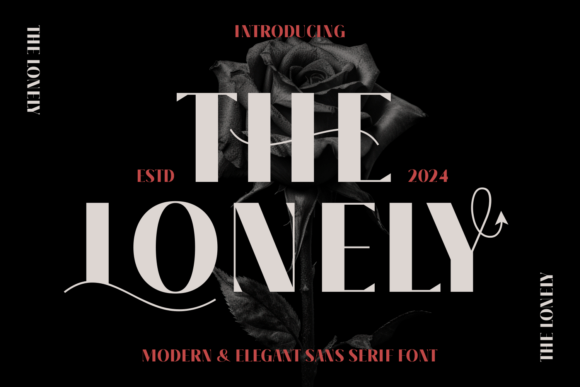
The Lonely is not merely a collection of characters; it represents a deliberate stylistic choice aimed at elevating text-based content. At its core, the typeface fuses a modern edge with a sense of established sophistication. While many sans-serif fonts prioritize neutrality and readability above all else, The Lonely introduces an element of artistic flair, particularly through its uppercase glyphs. These capital letters are crafted with attention to detail, featuring unique strokes and proportions that distinguish them from more utilitarian counterparts.
The design intent behind The Lonely appears to be the creation of a "premium" feel. It is engineered to stand out without relying on excessive ornamentation. Instead, the elegance is derived from the structure and weight distribution of the letters themselves. For a designer, this means the font acts as a creative tool rather than just a vehicle for information delivery. It breathes life into headlines and short-form text by adding a layer of visual interest that generic fonts often lack.
Key Benefits and Strengths
When evaluating The Lonely for a project, several benefits become apparent, particularly for specific use cases where visual impact is paramount.
- Distinctive Branding: Because of its unique capital letterforms, The Lonely helps brands establish a memorable identity. In a crowded marketplace, a logo or headline using this typeface can immediately signal quality and exclusivity.
- High-Impact Headlines: The font excels in large sizes. Its intricate details are best appreciated when scaled up, making it an ideal choice for magazine covers, poster designs, and website hero sections.
- Aesthetic Versatility: Despite its decorative elements, the underlying sans-serif structure allows it to pair well with cleaner, simpler body fonts. This creates a balanced hierarchy where The Lonely commands attention without overwhelming the layout.
- Modern Sophistication: The blend of classic and contemporary styles allows the font to fit into various themes, from high-end fashion to modern architecture portfolios.
Practical Considerations and Tradeoffs
While The Lonely offers significant aesthetic advantages, potential users must weigh these against certain limitations inherent to stylized typefaces. Understanding these tradeoffs is crucial for making an informed decision.
Readability Constraints
The very features that make The Lonely visually stunning—the intricate details and unique shapes—can hinder legibility in small sizes or long paragraphs. Sans-serif fonts are generally chosen for their clarity, but when a font prioritizes artistic expression over strict geometric uniformity, readability can suffer. Consequently, The Lonely is not recommended for body copy, footnotes, or any text requiring rapid scanning.
Licensing and Availability
Premium typefaces like The Lonely often come with specific licensing requirements. Unlike open-source or system fonts, using this typeface may involve purchasing a license based on the scope of the project (e.g., web, print, app). Designers must consider the cost relative to the project budget and ensure they have the necessary rights for the intended distribution channels.
Technical Implementation
For digital applications, the file size and rendering performance should be considered. Fonts with complex curves and details may require higher resolution screens to render correctly. On lower-quality displays, some of the subtle nuances of the capital letters might appear blurred or pixelated, diminishing the intended effect.
Ideal Use Cases
To maximize the value of The Lonely, it should be deployed in situations where visual impact outweighs the need for extensive text density. Strong fits include:
- Editorial Design: Magazine covers, section headers, and pull quotes benefit from the font's arresting nature. It draws the eye and sets a tone of elegance before the reader engages with the main article.
- Luxury Branding: Logos for fashion houses, jewelry brands, or boutique hotels can leverage the font's sophisticated appearance to communicate status and quality.
- Event Invitations: Weddings, galas, and exclusive product launches often require a touch of chic artistry. The Lonely provides a formal yet modern look suitable for such occasions.
- Short-Form Digital Content: Social media graphics, banner ads, and landing page headlines where the message is concise and needs to stop the scroll.
When to Consider Alternatives
There are scenarios where choosing The Lonely might not align with project goals. In these instances, alternative typefaces would likely serve the user better.
- Long-Form Reading: If the project involves books, blog posts, or technical documentation, a neutral sans-serif like Helvetica, Roboto, or Inter is superior. These fonts are optimized for sustained reading comfort, which The Lonely cannot provide.
- Accessibility Requirements: Projects targeting audiences with visual impairments or those adhering to strict WCAG guidelines should avoid highly stylized fonts. Simpler character shapes ensure better recognition and accessibility.
- Corporate or Utility Contexts: For software interfaces, dashboards, or internal business communications, clarity and familiarity are key. Using a distinctive font like The Lonely in these contexts can distract from the primary function of the interface.
- Budget-Constrained Projects: If the project requires multiple font weights or extensive customization that exceeds the available license, free or low-cost alternatives with similar vibes might be more practical.
Decision-Making Insights
Determining whether The Lonely is the right choice requires a clear understanding of the project's primary objective. Ask yourself: Is the goal to inform efficiently, or to inspire and impress? If the answer leans toward inspiration and brand elevation, The Lonely is a strong contender. However, if the priority is pure functionality and maximum readability across all devices and sizes, a more conventional sans-serif is advisable.
Furthermore, consider the pairing strategy. The Lonely works best when paired with a highly legible, simple companion font. Testing the combination in mockups is essential to ensure the contrast between the display font and body text is effective. By treating The Lonely as a specialized tool rather than a universal solution, designers can harness its unique beauty to elevate their work while avoiding common pitfalls associated with overly decorative typography.
Ultimately, The Lonely offers a compelling option for those seeking to infuse their designs with a sense of modern elegance. Its ability to transform simple words into visually stunning statements makes it a valuable asset in the right context. However, like any premium design resource, its success depends on thoughtful application and a clear awareness of its limitations.