Unlocking Whimsy: How the Better Fly Typeface Transforms Design Projects
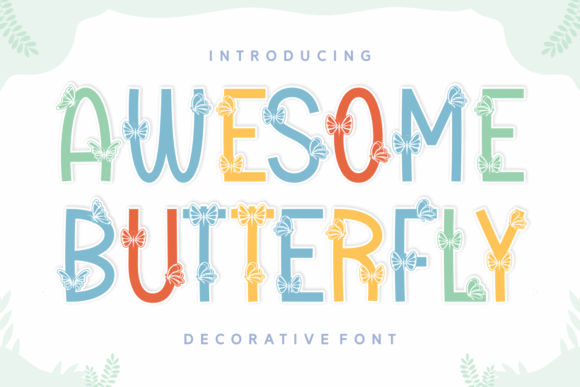
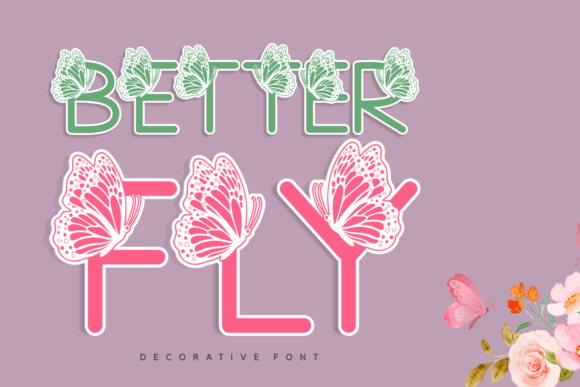
In the crowded landscape of digital and print design, standing out often requires more than just a clever layout or a vibrant color palette. It demands a unique voice that speaks directly to the audience's emotions. For designers, illustrators, and creative directors looking to inject a sense of magic into their work, typography plays a pivotal role. Enter Better Fly, a whimsical typeface adorned with intricate butterfly details on its characters. This font is not merely a collection of letters; it is a visual narrative tool designed to captivate viewers and spark imagination through its delicate butterfly wings and sophisticated structure.
The Challenge of Finding the Right Visual Tone
Many adults engaged in creative projects face a common dilemma: how to balance playfulness with professionalism. Whether you are designing an invitation for a high-end garden party, creating a logo for a children's boutique, or illustrating a storybook, the choice of typeface can make or break the project's impact. Generic fonts often feel sterile and fail to convey the specific atmosphere required. On the other hand, overly cartoonish fonts can undermine the elegance of the message, making the project appear amateurish.
The goal is to find a solution that bridges this gap—a typeface that feels enchanting yet remains legible and refined. This is where the search for a specialized font like Better Fly becomes essential. The challenge lies in identifying a resource that offers intricate details without sacrificing readability. Many designers struggle with fonts that are so ornate they become difficult to read at smaller sizes or in long paragraphs. Better Fly addresses this by integrating its decorative elements seamlessly into the character forms, ensuring that the whimsy enhances rather than hinders communication.
Understanding the Essence of Better Fly
Better Fly is defined by its unique integration of nature-inspired artistry into standard typography. Each letter is embellished with delicate butterfly wings, adding a touch of charm and elegance to the font's design. Unlike standard scripts that rely solely on flourishes, this typeface uses the motif of the butterfly to symbolize transformation, beauty, and lightness. The result is a playful yet sophisticated aesthetic that resonates deeply with audiences seeking a sense of wonder.
The design philosophy behind Better Fly is rooted in the idea that typography should evoke emotion. When a viewer sees a headline set in this font, they immediately associate the text with themes of growth, spring, and magic. This emotional connection is crucial for projects that aim to inspire or celebrate. By choosing a font with such distinct characteristics, creators can instantly establish a mood that aligns with their brand or event identity without needing excessive graphical overlays.
Practical Applications for Diverse Projects
The versatility of Better Fly makes it an excellent choice for a wide range of practical applications. Its primary strength lies in its ability to elevate simple text into a focal point of design. Here are several scenarios where this typeface excels:
- Invitations and Stationery: For weddings, baby showers, or birthday parties, the first impression is made by the invitation. Using Better Fly for names, dates, or headers creates an immediate sense of occasion. The butterfly details suggest a celebration of life and change, making it perfect for milestone events.
- Greeting Cards: In the greeting card industry, personalization is key. A card featuring this font conveys warmth and thoughtfulness. The intricate details add a layer of luxury that mass-produced cards often lack, allowing the sender to express deep affection.
- Children's Books and Educational Materials: Storytelling for young audiences benefits from engaging visuals. Better Fly brings text to life, encouraging children to interact with the words. The whimsical nature of the font keeps young readers engaged while maintaining enough clarity for early literacy.
- Branding for Lifestyle Businesses: Boutiques, spas, and eco-friendly brands often seek a logo that reflects their values. The organic curves and wing-like extensions of the font align perfectly with concepts of nature, sustainability, and gentle care.
Strategies for Implementation
While Better Fly is visually striking, successful implementation requires thoughtful application. Because the font is highly decorative, it works best as a display typeface rather than for body copy. Designers should use it for headlines, titles, and short phrases where its details can be appreciated. Overusing it in long blocks of text can lead to visual fatigue and reduce readability.
To maximize the impact of Better Fly, consider pairing it with a clean, neutral sans-serif font for supporting text. This contrast ensures that the intricate butterfly details stand out without competing with the informational content. Additionally, the size of the text matters. At larger sizes, the wings and embellishments create a stunning texture, but at very small sizes, these details may blur. Testing the font across different mediums—digital screens versus printed paper—is a crucial step in the design process.
Tailoring the Approach for Different Users
Different users will approach the integration of Better Fly based on their specific goals and technical expertise. Professional graphic designers might utilize the font within complex vector compositions, manipulating kerning and tracking to ensure the butterfly wings do not overlap awkwardly. They may also experiment with gradients or textures to enhance the metallic or iridescent quality of the wings, mimicking real-life butterflies.
For hobbyists and small business owners who may not have advanced design software, the value of Better Fly lies in its ease of use. Even in basic word processors or online design tools, simply selecting this font can transform a plain document into something special. The built-in charm of the typeface does the heavy lifting, allowing non-designers to achieve a professional look with minimal effort. This accessibility democratizes high-quality design, enabling anyone to create materials that feel bespoke and magical.
Considerations for Long-Term Use
When incorporating Better Fly into a brand identity or recurring project series, consistency is key. While the font is whimsical, it should be used consistently to build recognition. Avoid mixing it with other highly decorative fonts, as this can create visual clutter. Instead, let Better Fly serve as the anchor of your design system, providing a signature style that your audience comes to recognize and trust.
Furthermore, consider the context of your audience. While the font is generally appealing, certain formal corporate environments might require a more restrained approach. In such cases, using Better Fly sparingly—perhaps only for a seasonal campaign or a specific celebratory announcement—can maintain professionalism while still injecting a moment of delight.
Conclusion: Bringing Magic to Your Work
The search for the perfect visual element often leads designers back to the fundamentals of typography. Better Fly represents a harmonious blend of art and utility, offering a solution for those who need to communicate elegance and wonder simultaneously. By understanding its strengths and applying it strategically, creators can solve the challenge of bland design and deliver projects that truly resonate. Whether you are crafting a heartfelt invitation or building a brand around the joy of childhood, this butterfly-inspired typeface provides the necessary spark to bring your vision to life. Embrace the magic of Better Fly and watch as your designs take flight, captivating viewers and leaving a lasting impression of charm and sophistication.