Evaluating Bubble Mood for Creative Typography Projects
In the landscape of digital typography, where legibility often competes with stylistic flair, Bubble Mood emerges as a distinct option for designers seeking a playful and handcrafted aesthetic. This font is not merely a collection of rounded characters; it is a specific typographic tool designed to inject exuberance into visual communication. For creatives evaluating their next project, understanding the functional capabilities, limitations, and ideal use cases of Bubble Mood is essential before integrating it into a workflow.
Understanding the Design Philosophy of Bubble Mood
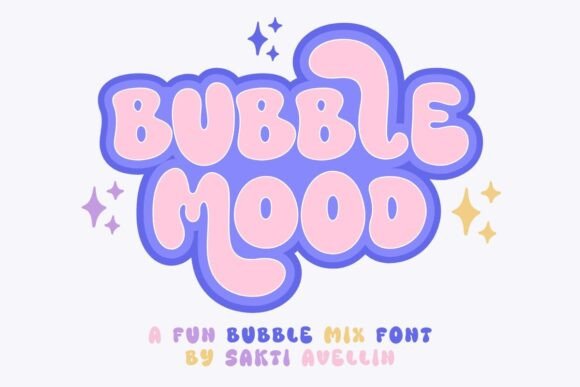
Bubble Mood is characterized by its meticulously handcrafted nature, featuring singular and memorable characters that deviate from standard geometric sans-serifs. The design intent is to mimic the organic, fluid quality of actual bubbles while maintaining enough structural integrity to be readable in specific contexts. A defining feature of this typeface is its encouragement of mixing uppercase and lowercase letters. Unlike many display fonts that rely on all-caps for impact, Bubble Mood creates a "visual dance" when case styles are intertwined, offering a dynamic rhythm that static text lacks.
The font family includes alternative blends, providing users with variations in weight or style to infuse additional energy into a layout. These alternatives allow for subtle shifts in tone without abandoning the core identity of the typeface. Whether applied to digital mockups or physical merchandise, the font aims to transform ordinary items into extraordinary works of art, particularly when paired with inspiring quotes or short phrases.
Key Reasons to Consider Bubble Mood
Designers might choose Bubble Mood for several practical reasons rooted in its unique visual properties. First, the handcrafted feel offers an authentic touch that can be difficult to achieve with automated, algorithmic fonts. This authenticity resonates well with audiences looking for personality and warmth in branding or personal projects.
Second, the versatility regarding case mixing provides a strategic advantage in layout design. By daringly intertwining uppercase and lowercase letters, a designer can create hierarchy and emphasis without relying solely on size changes or color. This capability is particularly useful for headlines, logos, or short slogans where character interaction adds meaning.
Finally, the font's adaptability across various media makes it a strong candidate for merchandise. Its bold strokes and rounded forms translate effectively onto t-shirts, tote bags, tumblers, mugs, hoodies, and even silicone items. The curvature of the letters tends to follow the contours of these objects naturally, reducing the risk of awkward spacing or distortion during the printing process.
Benefits and Tradeoffs in Application
While Bubble Mood offers significant creative benefits, it is important to weigh them against potential tradeoffs. The primary benefit is immediate visual engagement. In a crowded market, the playful world of Bubble Mood can stop a viewer from scrolling, making it effective for social media graphics, event posters, and promotional materials where attention is the currency.
However, the tradeoff lies in legibility at small sizes. Display fonts with intricate curves and varying stroke widths often lose clarity when scaled down. Using Bubble Mood for body text, paragraphs, or fine print is generally not recommended. The dense shapes of the characters can merge together, creating reading difficulties for the audience. Therefore, expectations should be managed: this is a display font intended for headlines and short statements, not for long-form content.
Another consideration is the context of the message. The inherent playfulness of the font may undermine serious or somber topics. If a project requires conveying urgency, authority, or solemnity, the bubbly aesthetic might clash with the intended emotional tone. Designers must ensure that the font's personality aligns with the message being delivered.
Ideal Situations for Bubble Mood
Bubble Mood is a strong fit for projects that prioritize fun, creativity, and approachability. It excels in:
- Lifestyle and Youth Branding: Companies targeting younger demographics or promoting leisure activities will find the font's energy aligns well with their brand voice.
- Merchandise and Apparel: As noted, the font works exceptionally well on physical products like hoodies and tote bags where the text serves as a graphic element rather than informational text.
- Event Invitations and Posters: Parties, festivals, and community gatherings benefit from the inviting and celebratory nature of the typeface.
- Inspirational Quotes: Short, uplifting messages printed on mugs or wall art gain an extra layer of warmth through the soft, rounded edges of the characters.
When to Consider Alternatives
Despite its charm, there are scenarios where Bubble Mood may not be the optimal choice. If the project involves complex information, technical data, or lengthy instructions, a more neutral and legible sans-serif or serif font is preferable. Similarly, industries such as finance, law, or healthcare typically require a more conservative and professional aesthetic that Bubble Mood does not provide.
Furthermore, if the design relies heavily on minimalism, the decorative nature of Bubble Mood might introduce too much visual noise. In cases where space is extremely limited, such as mobile app icons or small packaging labels, the detailed curves of the font may not render clearly on high-resolution screens or low-quality prints. In these situations, exploring simpler bubble fonts or clean geometric alternatives could yield better results.
Practical Decision-Making Insights
To determine if Bubble Mood aligns with your specific goals, consider the following evaluation steps:
- Test Legibility: Create a mockup of your intended application. Zoom out to the viewing distance of your target audience. If the text becomes unreadable quickly, the font may be too stylized for that specific use.
- Analyze the Message: Read your copy aloud. Does the tone match the visual style? If the words are serious but the font is whimsical, the disconnect may confuse the audience.
- Check Versatility: Experiment with the alternative blends provided in the font file. Determine if they offer enough variation to support different elements of your design without needing a secondary font.
- Review Production Constraints: If printing on silicone or curved surfaces, verify that the thin lines (if any) or tight kerning in the font will survive the manufacturing process without filling in or breaking apart.
Ultimately, Bubble Mood is a specialized tool within a designer's arsenal. It is not a universal solution for all typographic needs but a powerful asset for specific creative pursuits. By understanding its strengths in creating visual interest and its limitations in legibility and tone, you can make an informed decision about whether it breathes life into your craft project or distracts from your core message. Let the evaluation of its unique charm guide your selection, ensuring that the final aesthetic supports the function of your design.